Find another title
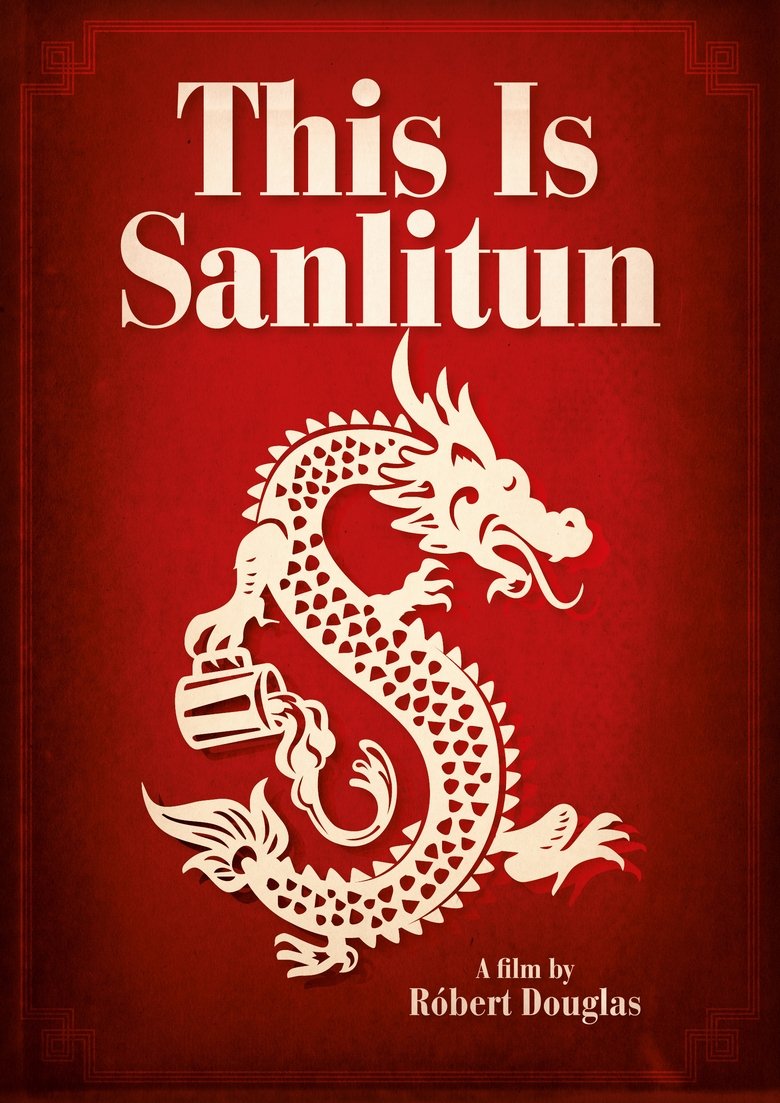
This Is Sanlitun
2013
Director
Róbert I. Douglas
Runtime
95 minutes
Average Rating
No ratings yetSynopsis
British sad sack Gary is a failed entrepreneur who has just arrived in Beijing's stylish Sanlitun district, allegedly to start a business. There are other reasons why he has uprooted himself — he's followed his ex-wife and young son, for one — but he soon finds out that China isn't the easiest place to succeed. Blissfully untouched by self-awareness, and only fitfully in tune with reality, Gary sallies forth to make money, armed with faith in himself and little to no knowledge of Chinese culture. He soon hooks up with Frank, a trust-fund kid from Australia who offers to mentor Gary in Eastern ways, although Frank's pedagogical method is restricted to yelling at Gary for being a Westerner and not being as "Chinese" as him.
Where to Watch
Diversity & Representation
Overall Score
Fair
Category Breakdown
LGBTQ+ Representation
The film explores non-traditional social bonds between expatriate males. While the romantic nature of the relationship between Gary and Frank is not explicitly defined, it subverts conventional heteronormative domestic tropes.
Gender Representation
The narrative deconstructs traditional masculine archetypes by portraying the male lead as an inadequate, failed entrepreneur. A lack of strong female presence suggests a focus on male ego rather than gender balance.
Racial & Ethnic Diversity
By placing a Westerner in Beijing, the film challenges Anglo-centric perspectives. The inclusion of an Australian character who critiques Western identity adds complexity to the racial and social landscape.
Religious & Cultural Diversity
The story critiques Western individualism and capitalist models through Gary's lack of cultural literacy. It frames Western confidence as a liability when navigating the Chinese business environment.
Disability Representation
There is no discernible evidence regarding the portrayal of physical or neurodivergent disabilities within the narrative.
Strengths
- Effectively deconstructs traditional masculine archetypes and the 'provider' status.
- Challenges Western-centric perspectives by centering the narrative on cultural displacement.
- Uses cross-cultural friction to critique Western capitalist models and individualism.
Areas for Improvement
- Lacks explicit representation of LGBTQ+ identities or romantic intimacy.
- Features a notable absence of strong female characters in the primary arc.
- Provides no discernible representation of physical or neurodivergent disabilities.
AI Analysis
This Is Sanlitun functions as a study of cultural friction and the failure of Western archetypes in an Eastern setting. It succeeds in deconstructing the 'competent male provider' trope by centering on a protagonist defined by inadequacy and social displacement. The film moves away from purely Western-centric viewpoints by forcing a confrontation between Western sensibilities and Chinese realities. This creates a more globalized, albeit friction-heavy, social landscape. However, the work lacks intersectional depth. The absence of explicit queer identities and the lack of representation for disabilities or significant female roles limit its overall diversity impact.
Rate this Movie
Reviews
No reviews yet. Be the first to share your thoughts on this movie!
Use the rating form above to leave a star rating and optional review.