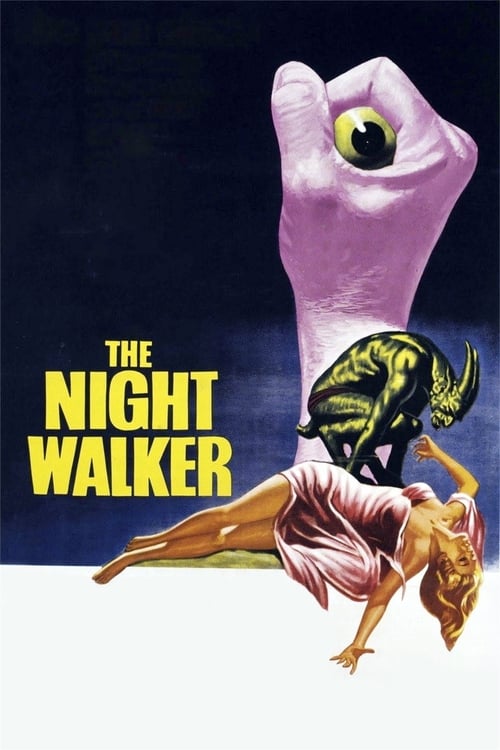
The Night Walker
1964
No user ratings available yet
Representation score: 0.4 out of 10
Representation Score
Limited
1964
NRDirector
Freddie Francis
Runtime
83 minutes
Average Rating
No ratings yetNew Showbiz Analysis
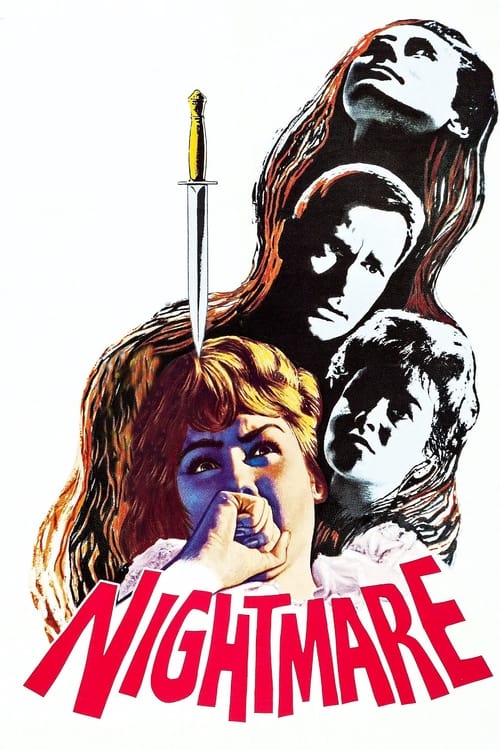
Nightmare (1964) is a period-specific thriller that emphasizes atmospheric tension and individual psychological suspense over exploring diverse identities. While it offers a focused look at the female psychological experience, it does so within the context of mid-20th century social norms. The film operates within a culturally homogenous environment, lacking racial diversity or any engagement with LGBTQ+ identities. Its portrayal of mental health serves the plot's suspense rather than providing a nuanced exploration of neurodivergence. Overall, the work upholds established social norms and genre conventions, offering little challenge to systemic power dynamics or demographic representation.
Category Breakdown
The film does not include any LGBTQ+ characters and does not explore non-straight relationships. It follows traditional views on interpersonal relationships from the mid-20th century.
The story focuses on a female protagonist dealing with psychological distress. Her role is limited to domestic isolation and traditional gender stereotypes of vulnerability.
The cast is uniform, reflecting the British period setting. There is no effort to include diverse racial backgrounds or blend different cultures.
Set within a Western framework of middle-to-upper-class life, the film uses familiar social settings to enhance suspense. It does not critique Western institutions or religious practices.
The narrative examines mental health and psychological trauma through a mother in an asylum. These elements often rely on the unreliable narrator cliché common in psychological horror.
Present on Screen
Limited or Absent
Official Synopsis
A young woman is plagued by nightmares of her asylum-patient mother. Upon returning to her family home, the nightmares become real when she sees a strange woman pacing the halls.
1964
1965
1980

1961
1962
1971
1973

1972
No reviews yet. Be the first to share your thoughts on this movie!
Use the rating form above to leave a star rating and optional review.