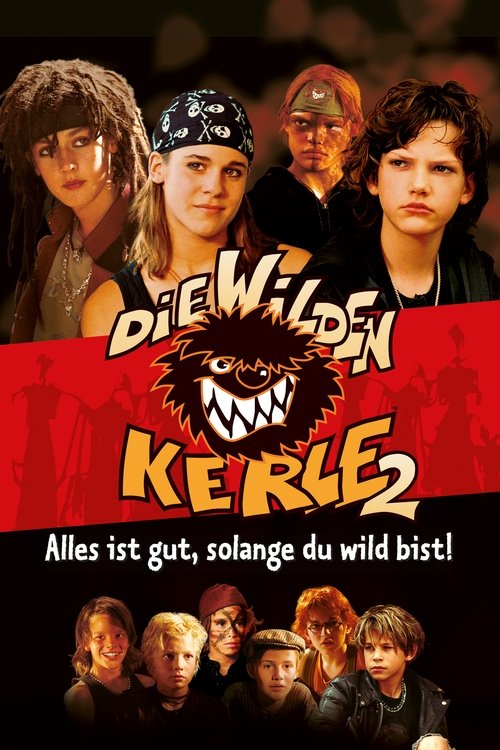
The Wild Soccer Bunch 2
2005
No user ratings available yet
Representation score: 4.8 out of 10
Representation Score
Limited
2006
PGDirector
Joachim Masannek
Runtime
93 minutes
Average Rating
No ratings yetNew Showbiz Analysis
The film primarily operates within traditional adolescent adventure themes, focusing on male peer groups and competitive sports. Despite lacking LGBTQ+ and disability representation, it avoids a purely homogeneous depiction of German youth by incorporating a multicultural ensemble. Gender dynamics are somewhat challenged through the introduction of a female rival team, which complicates the male-centric narrative. Additionally, the film critiques how urban development impacts youth autonomy.
Category Breakdown
The film focuses on adolescent male bonding and traditional sports culture, with no visible representation of non-straight or non-cisgender identities or same-sex romantic stories.
The story centers on a male-dominated sporting environment but introduces a female team called 'The Beastly Beasts' as a direct competitive counterpoint to the boys' dominance.
The ensemble reflects a multicultural urban German setting, representing a broad socioeconomic and ethnic spectrum typical of modern European metropolitan environments.
The plot explores the tension between youth communal spaces and adult-driven urban development, framing the children's resistance as a way to reclaim social ability to act against institutional encroachment.
There is no discernible representation of physical, neurodivergent, or sensory disabilities. Characters function within the standard physical capacities required for competitive athletics.
Present on Screen
Limited or Absent
Official Synopsis
After Leon left his team in the historic 25-1 defeat against the national team, Die wilden Kerle broke up. Only the little Nerv still believes in his old heroes and tries to bring the grown-up guys back together with the help of his dreaded side puller. Leon's former best friend Fabi has meanwhile founded his own team, the girls' team, "The Beastly Beasts", and challenges "The Wild Soccer Bunch" to a duel in the Nattern Cave.
2005
2007
2016
2003
2008
2017
2013
2002
No reviews yet. Be the first to share your thoughts on this movie!
Use the rating form above to leave a star rating and optional review.