
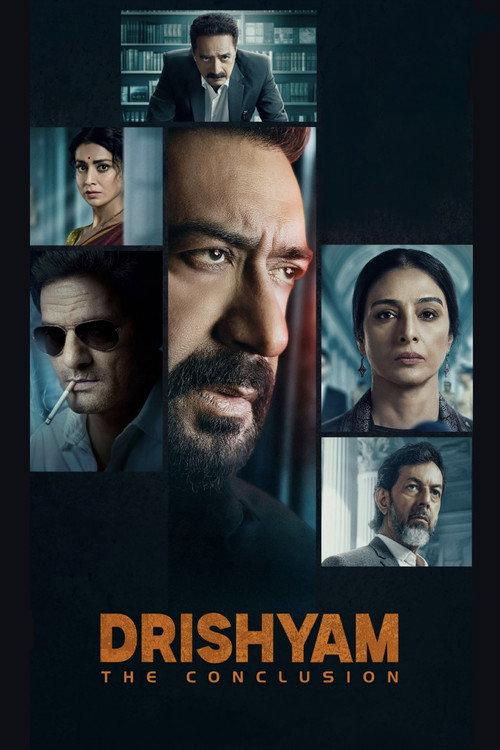
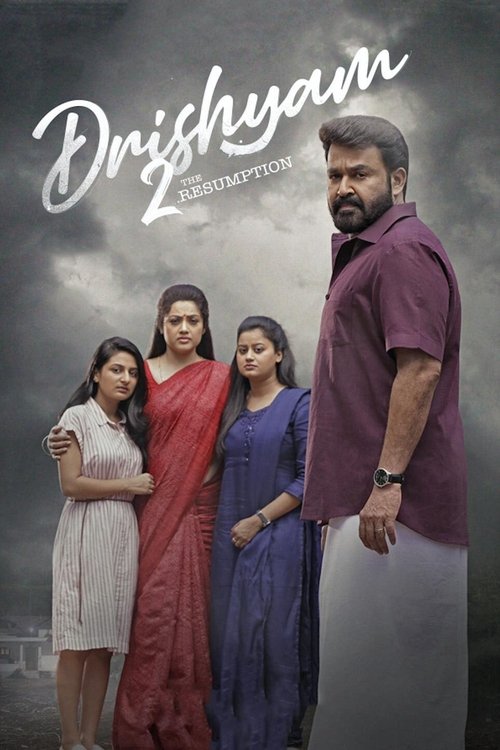
Drishyam 2
2022
No user ratings available yet
Representation score: 1.9 out of 10
Representation Score
Minimal
2026
NRDirector
Abhishek Pathak
Runtime
148 minutes
Average Rating
No ratings yetNew Showbiz Analysis
The film opens with the premise of a man who has already beaten the system, now facing a new threat to his secret. This setup positions the male protagonist as the sole agent of change, while the female characters exist primarily as the objects of his protection. The narrative sells a vision of family as a fortress against state authority, with the male head as its gatekeeper. The camera likely favors the male lead’s cunning, framing his manipulation of the system as a moral victory for the family unit. The ending probably reaffirms this hierarchy, with the family intact and the system defeated, leaving no space for alternative structures or identities. The film’s argument is traditional: loyalty to family supersedes institutional justice, and the male head’s intelligence is the ultimate safeguard.
Category Breakdown
No queer characters, relationships, or identity markers appear in the cast list, synopsis, or available plot details. The narrative focuses entirely on heterosexual family dynamics and criminal survival.
Prominent women like Tabu and Shriya Saran are positioned as family members or partners to the male lead. The synopsis frames the plot around the male protagonist’s need to save his family, casting women as stakes rather than agents.
The film is set within a specific Indian cultural context, featuring a predominantly South Asian cast. Diversity is limited to regional and caste variations inherent to the setting, rather than cross-ethnic representation.
The plot centers on the Indian legal system and family loyalty, treating the system as an obstacle to be outwitted. The narrative reinforces traditional family hierarchy, with the male head protecting his kin from state authority.
No characters with disabilities are named in the cast, synopsis, or available plot information. Disability is not a thematic or narrative element in the provided evidence.
Present on Screen
Limited or Absent
Official Synopsis
Years after outsmarting the police, Vijay Salgaonkar's past resurfaces when a new evidence threatens to expose his secret. As the investigation reopens, he must outwit the system once again to save his family.
2022

2013
2021

2015

2026
No reviews yet. Be the first to share your thoughts on this movie!
Use the rating form above to leave a star rating and optional review.