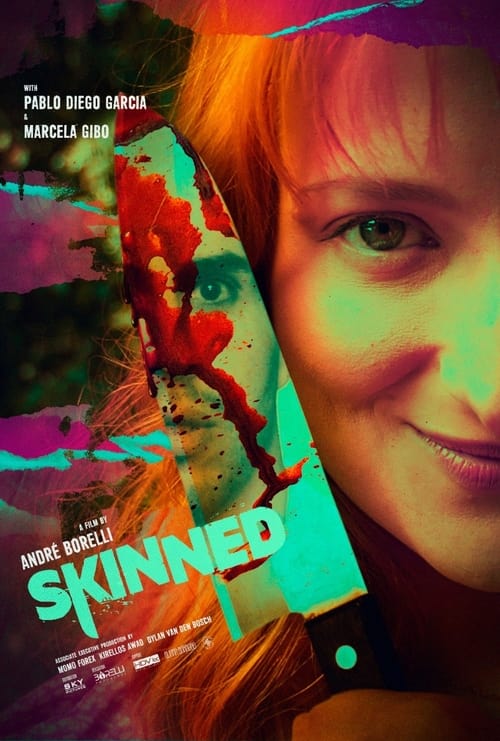
Skinned
2021
No user ratings available yet
Representation score: 4.8 out of 10
Representation Score
Excellent
2015
Director
Anita Rocha da Silveira
Runtime
101 minutes
Average Rating
No ratings yetNew Showbiz Analysis
Anita Rocha da Silveira’s film is a work of intentional subversion that prioritizes individual psychological truth over institutionalized norms. It disrupts Western values regarding morality and social stability by centering a complex, female-driven existential journey. The film provides a culturally specific Brazilian perspective, moving away from Hollywood-centric aesthetics and traditional gender hierarchies. However, it remains somewhat abstract in its treatment of specific identities, exploring psychological instability and non-traditional desires without explicit depictions of same-sex intimacy or clear disability representation.
Category Breakdown
The film focuses on sensory experiences and non-traditional desires, creating a queer-adjacent exploration of identity that exists outside conventional societal expectations.
The narrative centers entirely on the female experience through Bia. It challenges traditional gender clichés by presenting a protagonist whose actions are driven by a radical, self-determined obsession with death.
Set in Rio de Janeiro, the film offers a localized, non-Anglo-centric perspective. It avoids Hollywood-centric racial hierarchies by embracing a culturally specific and authentic Brazilian environment.
The story challenges traditional religious frameworks by framing the protagonist's obsession as a valid existential pursuit. It prioritizes a subjective, secular exploration of the macabre over institutional morality.
The film explores psychological instability and neurodivergent-coded fixations. It avoids 'inspiration porn' by focusing on the distressing, internal reality of the character's psyche rather than providing ability to act-driven disability depictions.
Present on Screen
Limited or Absent
Official Synopsis
Barra da Tijuca, West Side Zone of Rio de Janeiro. A wave of murderers plague the area. What starts off as a morbid curiosity for the local youth, slowly begins to spoil away at their lives. Among them is Bia, a 15-year-old girl. After an encounter with death, she will do anything to make sure she is alive.
2021
2007
2015
2012
2018
2007

2021
2014
No reviews yet. Be the first to share your thoughts on this movie!
Use the rating form above to leave a star rating and optional review.