
Den of Lions
2003
No user ratings available yet
Representation score: 3.7 out of 10
Representation Score
Limited
1995
RDirector
Jenő Hódi
Runtime
95 minutes
Average Rating
No ratings yetNew Showbiz Analysis
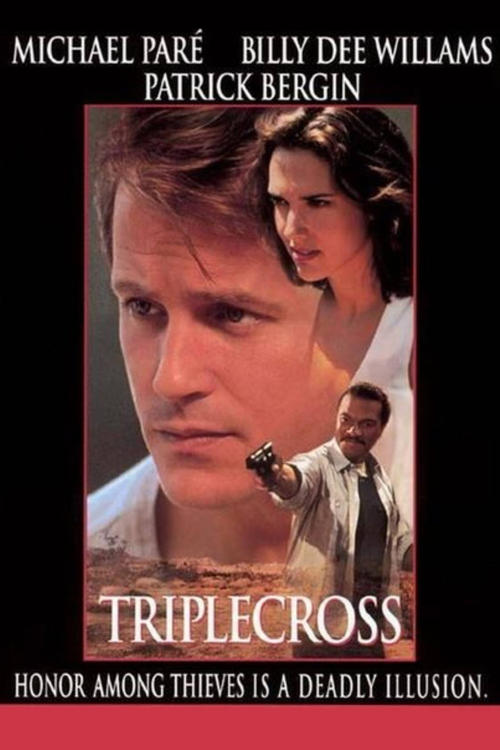
Triplecross functions as a standard 1990s action-thriller, adhering strictly to the genre conventions of its time. The narrative structure prioritizes a traditional crime-and-law-enforcement framework, limiting opportunities for multi-layered complexity or identity-driven storytelling. The film relies on established clichés, particularly regarding gender and romance. While the female lead provides a plot complication, her role remains defined by her connection to the male antagonist, reinforcing conventional social hierarchies rather than challenging them. Ultimately, the work lacks significant representation across most diversity metrics. It presents a narrow, conventional view of identity and culture that aligns with the mainstream television movies of the mid-90s.
Category Breakdown
The story revolves around a heterosexual romantic subplot. There is no depiction of LGBTQ+ identities or criticism of the assumption that everyone is straight or cisgender.
Julia Summers serves as a complication to a male-driven mission. Her role is tied to her relationship with the antagonist, following traditional gender dynamics.
The narrative follows a conventional demographic approach typical of the era. There is no indication of a diverse or non-Anglo-Saxon majority cast.
The film operates within Western law enforcement and criminal frameworks. It focuses on the conflict between law and crime rather than broader societal issues.
There is no evidence regarding the inclusion of characters with physical, sensory, or neurodivergent disabilities.
Present on Screen
Limited or Absent
Official Synopsis
T.C. Cooper is sprung from prison by Oscar Pierce, an F.B.I. agent, and given a task: take down master thief Jimmy Ray Danker. He accepts, but neither man expected the plan's single complication: Julia Summers, Jimmy Ray's lover.
2003

1994
1995

1988

1993

2015

1995

1987
No reviews yet. Be the first to share your thoughts on this movie!
Use the rating form above to leave a star rating and optional review.