
Konchem Ishtam Konchem Kashtam
2009
No user ratings available yet
Diversity score: 3.5 out of 10
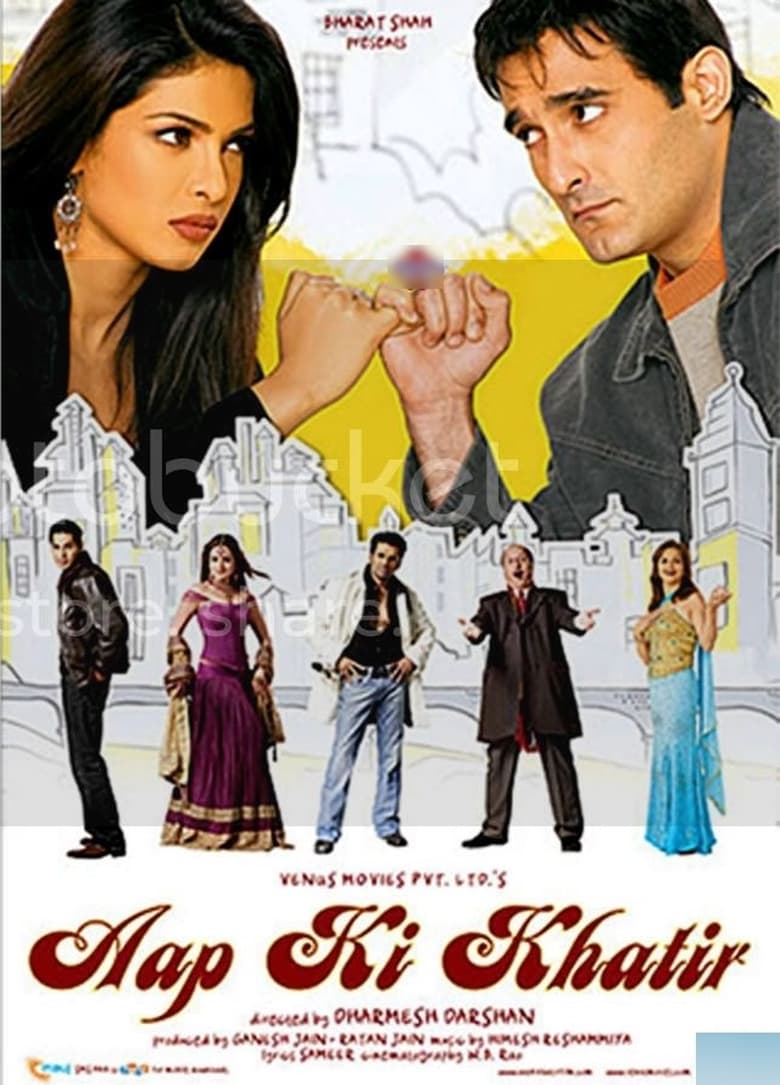
2006
Director
Dharmesh Darshan
Average Rating
No ratings yetSynopsis
Widowed Arjun Khanna lives a wealthy lifestyle in London, England, along with his daughter, Shirani. He decides to re-marry widowed Betty, who also lives in London with her daughter, Anu. Years later both daughters have grown up and are of marriageable age. Anu has fallen in love Danny Grover, and both are expected to marry soon.
Overall Score
Limited
Category Breakdown
LGBTQ+ Representation
The film lacks LGBTQ+ characters or non-heteronormative relationship structures. Romantic arcs center entirely on traditional heterosexual pairings within standard genre tropes.
Gender Representation
Female leads navigate their emotional landscapes with significant agency. While the plot centers on their decisions regarding marriage, the film remains tethered to traditional romantic structures.
Racial & Ethnic Diversity
The cast and setting are predominantly Indian, reflecting a homogeneous cultural environment. The narrative focuses on the ethnic identity of the protagonists within a London setting.
Religious & Cultural Diversity
The story emphasizes traditionalist values and the sanctity of family structures. It reinforces social stability rather than engaging in deconstruction or secularist critiques.
Disability Representation
There are no visible or invisible disabilities portrayed. No character arcs are defined by neurodivergence or physical impairment.
Strengths
Areas for Improvement
AI Analysis
Aap Ki Khatir is a conventional romantic dramedy that prioritizes domestic harmony and familial continuity over social critique. It functions as a culturally specific narrative that reinforces established social norms rather than challenging them. The film succeeds in providing female characters with emotional agency, moving beyond the trope of the passive heroine. However, these characters still operate within traditional marriage-centric frameworks. Ultimately, the film lacks intersectional complexity. It maintains a stable, upper-class socioeconomic perspective that avoids systemic disruption or the inclusion of diverse identities like LGBTQ+ or disabled individuals.
2009
2014

2002

2014
1998
2005
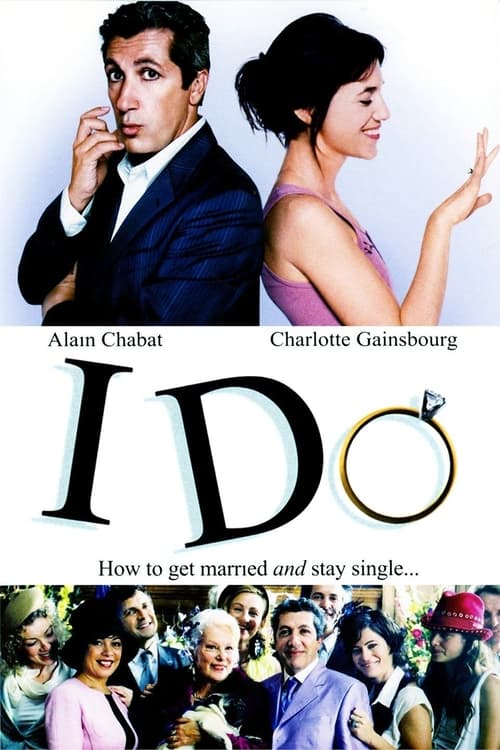
2006

2006
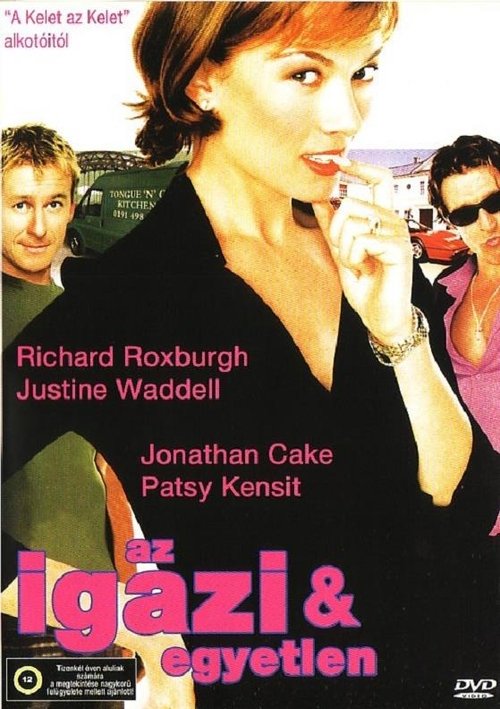
2002
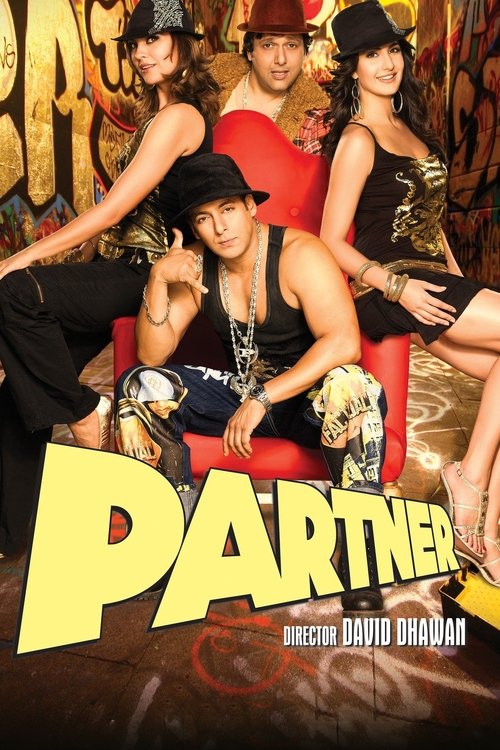
2007
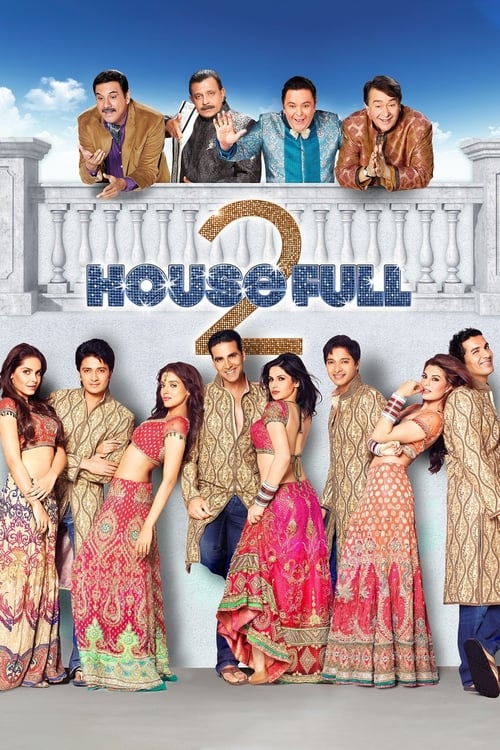
2012
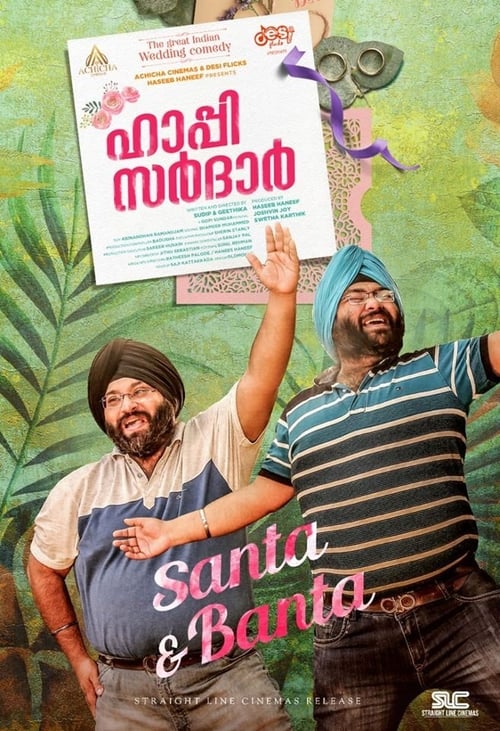
2019
No reviews yet. Be the first to share your thoughts on this movie!
Use the rating form above to leave a star rating and optional review.