My Own Private Hell
2019
No user ratings available yet
Representation score: 8.7 out of 10
Representation Score
Fair
2000
RDirector
Bruno Barreto
Runtime
95 minutes
Average Rating
No ratings yetNew Showbiz Analysis
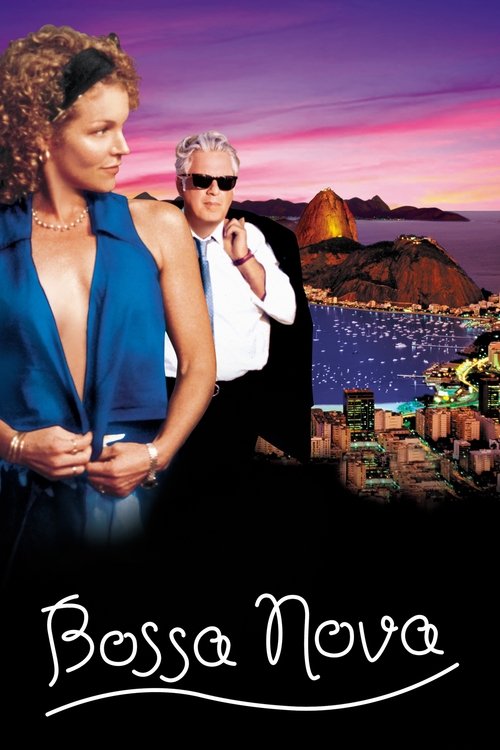
Bossa Nova succeeds as a piece of regional cinema that avoids the Western-centric perspective by focusing on the specific cultural context of Rio de Janeiro. The film's strength lies in its authentic casting and its exploration of identity through a non-Anglo-Saxon lens. However, the film remains tied to traditional romantic structures. The absence of LGBTQ+ representation and adherence to straight-centered storytelling limits its progressive impact. Ultimately, the film provides a nuanced look at class and gendered power dynamics, even if it does not fully challenge patriarchal or traditional social hierarchies.
Category Breakdown
The film focuses on a heterosexual romance between the main characters and does not include any queer perspectives or non-straight identities.
Mary Ann is shown with significant emotional and intellectual influence rather than being portrayed as a passive character. The film avoids typical damsel-in-distress clichés despite age differences.
The production stands out by using a predominantly Brazilian cast and setting. This helps to de-center the traditional Hollywood racial hierarchy.
The narrative subtly critiques high-society decadence and socioeconomic stratification in Rio. It emphasizes a secular morality centered around personal desires.
There is no significant depiction of visible or invisible disabilities in the narrative.
Present on Screen
Limited or Absent
Official Synopsis
After a chance encounter on the elevator, the lives of Mary Ann, a widowed English teacher, and Pedro, a recently divorced man, intersect against the hot backdrop of Rio de Janeiro.
2019
1992
2000
2005
2015
2006

2001

1998
No reviews yet. Be the first to share your thoughts on this movie!
Use the rating form above to leave a star rating and optional review.