
Another Story of Love
2011
No user ratings available yet
Representation score: 6.6 out of 10
Representation Score
Fair
2004
NRDirector
Christopher Münch
Runtime
74 minutes
Average Rating
No ratings yetNew Showbiz Analysis
The film stands out for its progressive handling of queer identity, centering a gay character who possesses ability to act and professional success. This disrupts common clichés of queer suffering often found in mainstream cinema. However, the film remains limited by a homogeneous casting approach and a narrative focus that prioritizes masculine experiences. The gender dynamics are largely centered on the brothers, leaving less room for diverse female or non-binary perspectives. Ultimately, the work is a provocative character study. It succeeds in challenging moral and social norms, particularly through its nuanced treatment of complex, taboo interpersonal relationships.
Category Breakdown
Max is shown who play a significant role in driving the story and self-actualization regarding his identity. The film avoids the 'suffering queer' cliché by presenting a gay protagonist who is professionally successful.
The narrative focuses heavily on the masculine experience and fraternal bonds. While it deconstructs the 'stable male leader' cliché, power dynamics remain centered on the male protagonists.
The film follows a traditional, homogeneous casting pattern typical of early 2000s independent dramas. There is no evidence of significant racial blending within the primary character arcs.
The story disrupts conventional social hierarchies by exploring taboo themes through emotional complexity. It critiques traditional Western institutions and the sanctity of the nuclear family.
There is no documented evidence regarding the portrayal of physical or neurodivergent disabilities.
Present on Screen
Limited or Absent
Official Synopsis
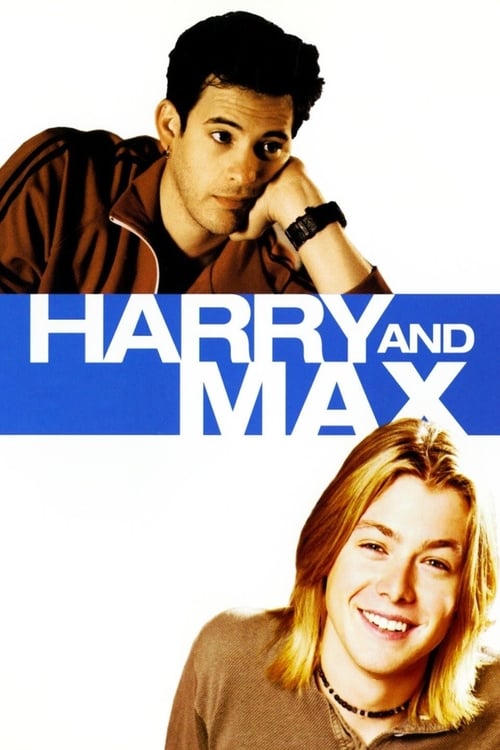
Two brothers, Harry and Max, who are both teen idols, come to terms with their dysfunctional family past and deep affection for each other
2011

2011

2004

2016
2004

2016

2007
2014
No reviews yet. Be the first to share your thoughts on this movie!
Use the rating form above to leave a star rating and optional review.