
Ciudad delirio
2014
No user ratings available yet
Representation score: 5.5 out of 10
Representation Score
Fair
1996
Director
Pedro Carvajal
Runtime
95 minutes
Average Rating
No ratings yetNew Showbiz Analysis
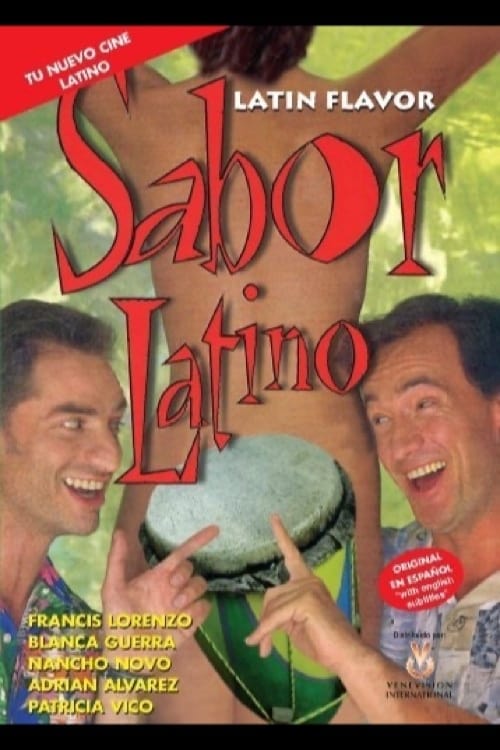
Sabor latino uses a romantic storyline to examine significant geopolitical and post-colonial issues. By featuring a Central American revolutionary, the film moves beyond a Western-centric view. However, the film's portrayal of gender and identity remains somewhat limited. Women have prominent roles, but the narrative doesn't clearly address LGBTQ+ inclusion or disability representation. Ultimately, the film's strength lies in its cultural critique. It uses personal connections to challenge established political orders and institutional norms.
Category Breakdown
The film doesn't provide clear information about characters who aren't straight or cisgender. Although the love story is complex, there's no specific mention of the characters' sexual orientations.
Women play key roles that challenge traditional gender roles. The guerrilla leader shows strong leadership and independence compared to the male officer.
The story explores post-colonial issues and global power imbalances between the West and other regions. It shifts from a Western perspective by showing a European officer alongside a Central American revolutionary.
The story questions Western institutions by focusing on a underrepresented guerrilla leader. This setup challenges strict national loyalties through a cross-ideological relationship.
There is no information about the portrayal of physical or neurological disabilities in this film.
Present on Screen
Limited or Absent
Official Synopsis
An officer (Francis Lorenzo) from Madrid keeps a general's daughter (Patricia Vico) in the dark about his love affair with a Central American guerrilla leader (Blanca Guerra).
2014

2014
1966

1992

2020

1991
1998

2009
No reviews yet. Be the first to share your thoughts on this movie!
Use the rating form above to leave a star rating and optional review.