Under Cover
1987
No user ratings available yet
Representation score: 2.2 out of 10
Representation Score
Limited
1988
PGDirector
Martha Coolidge
Runtime
98 minutes
Average Rating
No ratings yetNew Showbiz Analysis
Plain Clothes operates as a high-concept genre blend, using a fish-out-of-water premise to drive its mystery and comedy. While it disrupts the 'tough cop' archetype by subjecting the lead to adolescent humiliations, the narrative remains tethered to late-80s storytelling conventions. The film prioritizes character eccentricity and interpersonal dynamics over exploring diverse identities or systemic social critiques.
Category Breakdown
The film does not include explicit LGBTQ+ identities or relationships. Romantic elements focus on crushes and popularity, which align with the straight-centered themes common in 1988 cinema.
The story challenges traditional authority by placing a male protagonist in vulnerable social positions. However, it relies heavily on conventional masculine archetypes within a high school hierarchy.
There is no specific evidence of diverse racial casting. The setting suggests a demographic baseline typical of mainstream American comedies from the late 1980s.
The narrative critiques institutional structures through its depiction of chaotic school environments. It functions primarily as a genre-blending mystery rather than a systemic social critique.
The film contains no documented evidence regarding the inclusion of characters with visible or invisible disabilities.
Present on Screen
Limited or Absent
Official Synopsis
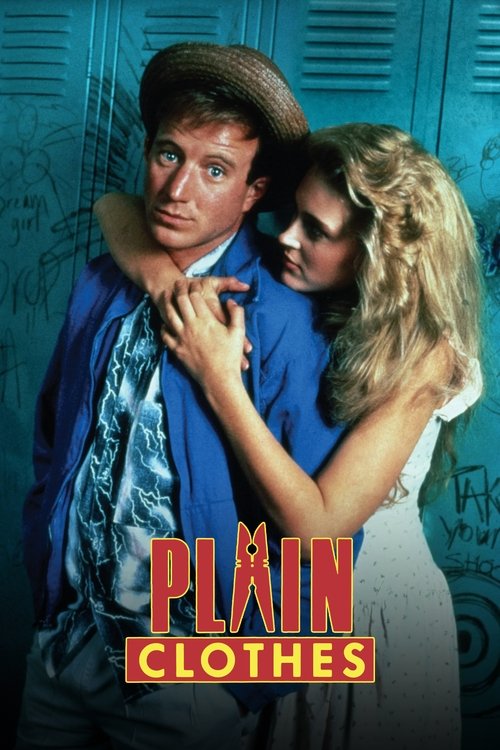
To prove his brother's innocence, undercover officer Nick enrolls in high school again, dealing with crushes, bullies, humiliations, popularity swings, and quirky teachers and staff to find the real murderer.
1987
1992
1997
1991
1990
1978
2005
2011
No reviews yet. Be the first to share your thoughts on this movie!
Use the rating form above to leave a star rating and optional review.