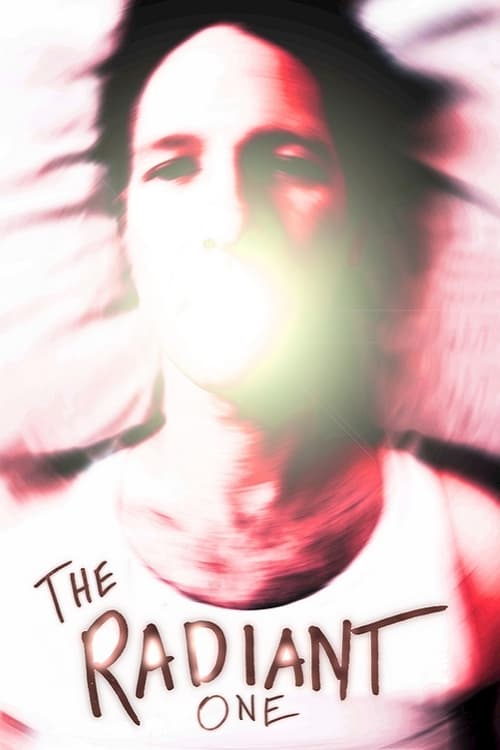
The Radiant One
2016
No user ratings available yet
Representation score: 5.8 out of 10
Representation Score
Fair
2026
16+Director
Alexander Geil
Runtime
87 minutes
Average Rating
No ratings yetNew Showbiz Analysis
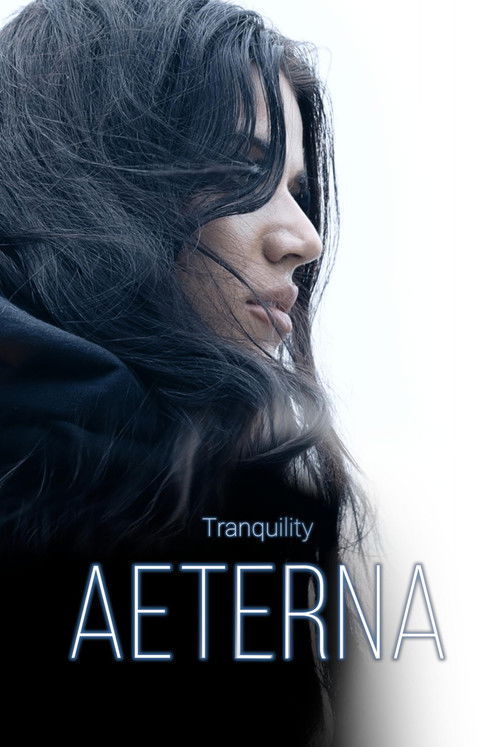
Tranquility: Aeterna opens with the chilling realization that humanity’s greatest threats are not political or military, but cosmic and indifferent. The film’s central argument is that traditional hierarchies of power—national, institutional, and even biological—are meaningless when faced with beings who operate outside physical laws. Lauren Validus, the "god-like" woman, embodies this indifference; she is not a villain in the traditional sense, but a force of nature that has already destroyed her own universe. The sold meaning is one of secular nihilism: there is no salvation, no divine intervention, and no human agency that can alter the outcome. The film’s internal logic reinforces this by stripping male characters of their traditional roles. Danny Malloy, the covert agent, is reduced to a reporter of bad news, his competence irrelevant against a being who is "immune to all conventional weaponry." The gender inversion is stark: women hold the power, but it is a terrifying, destructive power that offers no comfort. Adrienne’s degrading body and Abby’s fear highlight the human cost of this cosmic indifference, but the film does not offer a moral resolution. Instead, it settles on the President’s final address, which urges humanity to "maintain dignity" and "seek peace" in the face of extinction. This ending is the moral verdict: the only appropriate response to the void is acceptance, not resistance. The film is a quiet, devastating meditation on the limits of human power, where the last word belongs not to a hero, but to a bureaucrat delivering the final, futile instructions for a species that is already gone.
Category Breakdown
No queer intimacy or pairings appear in the dialogue or cast. The narrative relies on heteronormative family units and platonic agent bonds. Queer life is entirely absent from this sci-fi survival framework.
Women hold primary power, with Lauren Validus as the cosmic destroyer. Male characters like Danny Malloy are reactive and obsolete. The film inverts hierarchies by making female authority terrifying rather than liberating.
Mena Alayan’s casting suggests ethnic diversity, but racial identity is not thematically centered. Characters are defined by power levels and survival status rather than heritage. Representation remains background-level and functional.
The film deconstructs Western institutions, portraying government and religion as futile against cosmic indifference. The President’s final address treats national power as minor. Human civilization is framed as a fragile, temporary construct.
Adrienne’s degrading body serves as a medical plot point rather than an identity. The condition is treated as a terminal obstacle to be cured or endured. Disability functions as a survival narrative device, not a lived experience.
Present on Screen
Limited or Absent
Official Synopsis
A covert agent is confronted by two god-like beings that have the potential to destroy everything.
2016

2011

2012
2021

2006

2017
2013
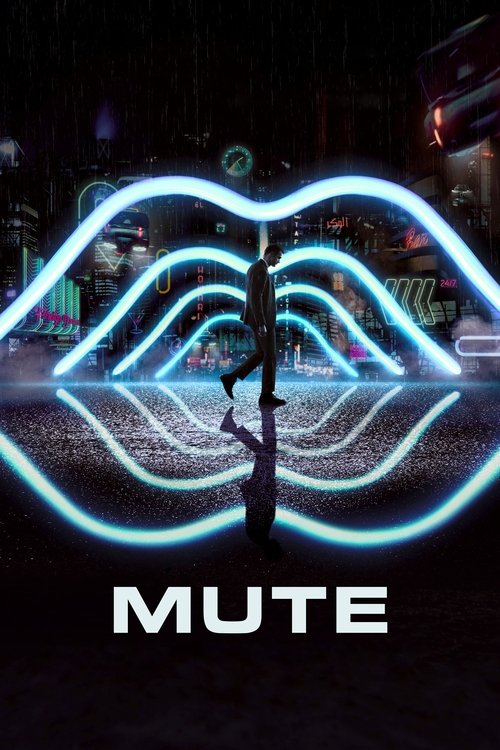
2018
No reviews yet. Be the first to share your thoughts on this movie!
Use the rating form above to leave a star rating and optional review.