Children of the Lie
2018
No user ratings available yet
Diversity score: 6.5 out of 10
2017
TV-14Director
Philippe Gagnon
Runtime
85 minutes
Average Rating
No ratings yetSynopsis
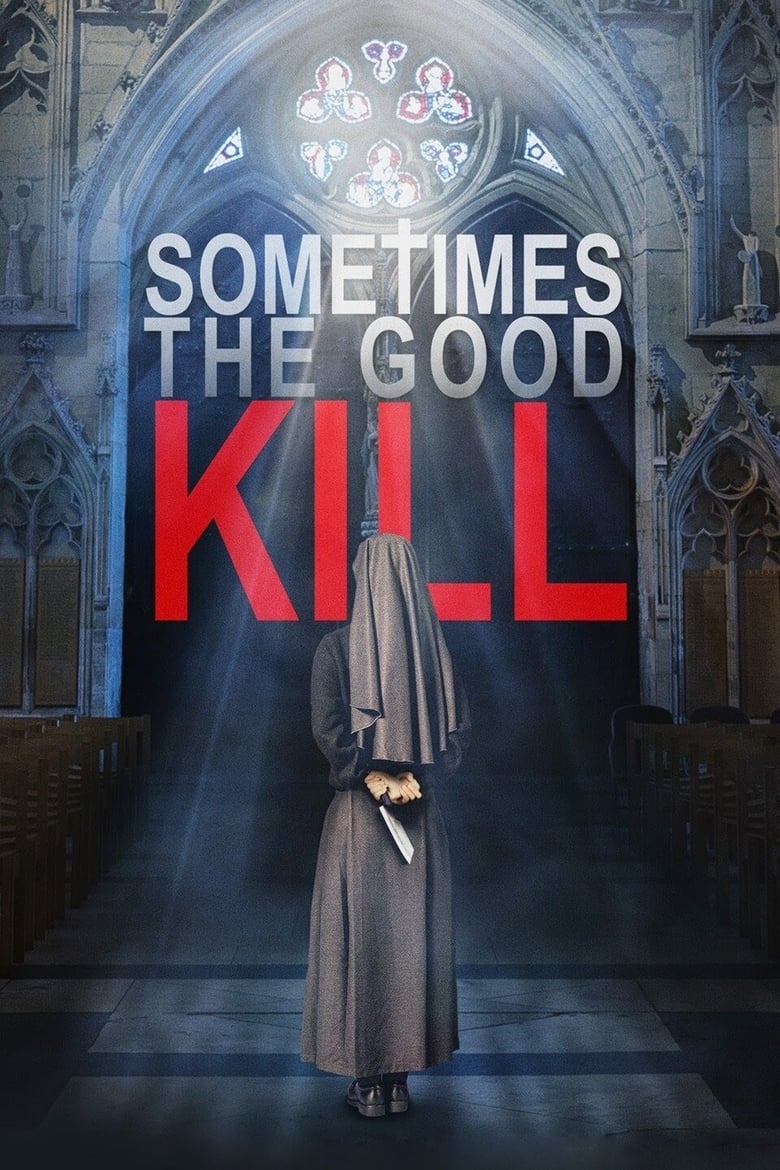
After a mysterious death at the Abbey, Sister Talia finds herself caught in the center of the internal investigation. With strict orders from the newly elected Mother Superior, she must uncover the truth behind the death and ensure the Abbey remains undisturbed. Things take a sharp turn when another sister is found murdered and Sister Talia is forced to find the killer. As she discovers larger secrets plaguing the Abbey, Sister Talia must reconcile her past life in order to follow through with the task at hand. For Sister Talia, all that she knows about the Abbey and her Sisters is about to come into question, as she discovers sometimes the good kill.
Overall Score
Fair
Category Breakdown
LGBTQ+ Representation
The Abbey setting provides a space for non-heteronormative communal living. While the narrative hints at internal secrets among the Sisters, there is no explicit depiction of same-sex intimacy or specific identity labels.
Gender Representation
The film subverts traditional hierarchies by centering its narrative on female agency. Sister Talia acts as the primary driver of the investigation, exercising intellectual authority within a female-led power structure.
Racial & Ethnic Diversity
The cast features a diverse ensemble of women, suggesting an attempt to move beyond a monolithic Anglo-Saxon representation. However, it remains unclear if characters of color hold significant agency.
Religious & Cultural Diversity
The story challenges the sanctity of Western religious structures by framing the Abbey as a site of corruption. It uses moral relativism to question established dogma and institutional stability.
Disability Representation
There is no evidence within the narrative or cast information regarding the portrayal of physical or neurodivergent disabilities.
Strengths
Areas for Improvement
AI Analysis
The film excels at disrupting patriarchal tropes by placing the power of life, death, and institutional governance entirely in the hands of women. Sister Talia serves as a proactive protagonist rather than a passive observer. While the gendered architecture is strong, the film lacks clear evidence of racial intersectionality or explicit LGBTQ+ identities. The setting implies a communal female life, but specific queer representation is not confirmed. Ultimately, the work functions as a critique of religious institutions, using the Abbey to explore moral ambiguity and the deconstruction of traditional social structures.
No reviews yet. Be the first to share your thoughts on this movie!
Use the rating form above to leave a star rating and optional review.