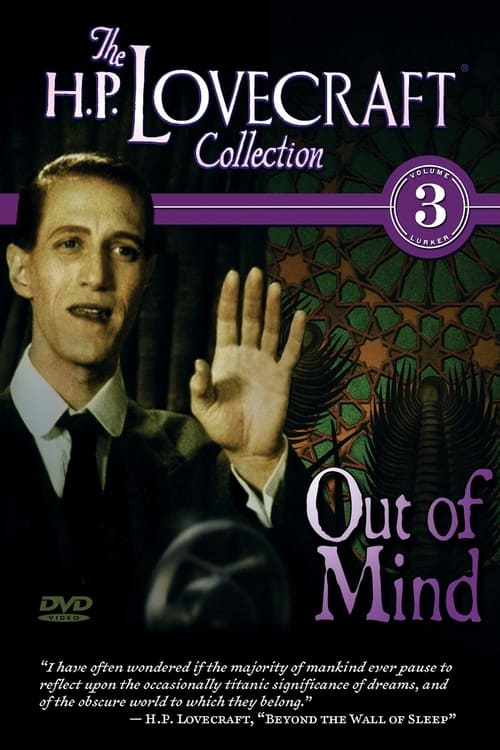
Out of Mind: The Stories of H.P. Lovecraft
1998
No user ratings available yet
Representation score: 1.6 out of 10
Representation Score
Minimal
1980
TV-14Director
Don Leaver
Runtime
52 minutes
Average Rating
No ratings yetNew Showbiz Analysis
The film operates within the confines of traditional horror and fantasy genres. It emphasizes individual psychological tension and spiritual dread without addressing characters who reflect more than one aspect of diversity. The movie lacks diverse casting and challenges to traditional gender hierarchies. It also doesn't disrupt cultural norms, sticking closely to genre conventions. Overall, the film serves as a character study of paranoia, offering limited space for subverting systemic power dynamics or diverse perspectives.
Category Breakdown
The film doesn't include any characters with non-binary gender identities or same-sex relationships. The story focuses solely on the spiritual journey of the main character.
The story revolves around a male protagonist named Edwyn. There is no mention of female characters or challenging traditional gender roles.
No information is given about the racial makeup of the cast. The story focuses on an individual's experience with supernatural events.
The film uses traditional religious or moral dualism. The conflict follows conventional spiritual archetypes without questioning Western institutions.
Edwyn's obsession with numbers might indicate a portrayal of neurodivergence or mental instability. It's unclear if this is handled with depth or used merely as a plot device.
Present on Screen
Limited or Absent
Official Synopsis
Edwyn sees the number nine everywhere and is convinced that forces of evil are at work.
1998
1961
1994

1972
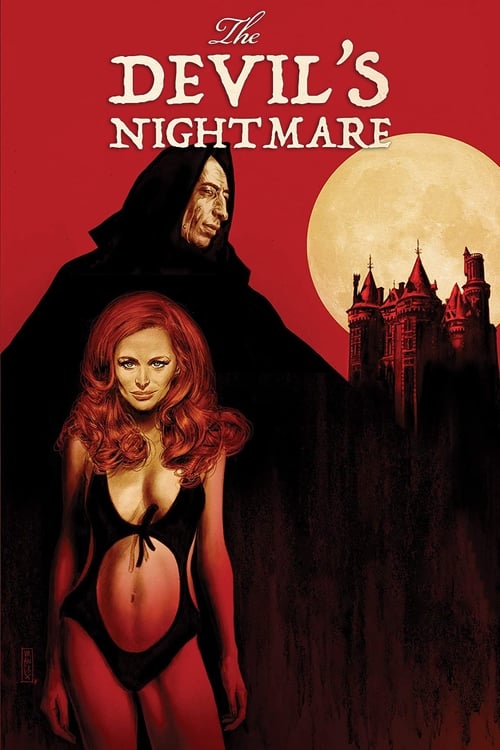
1971
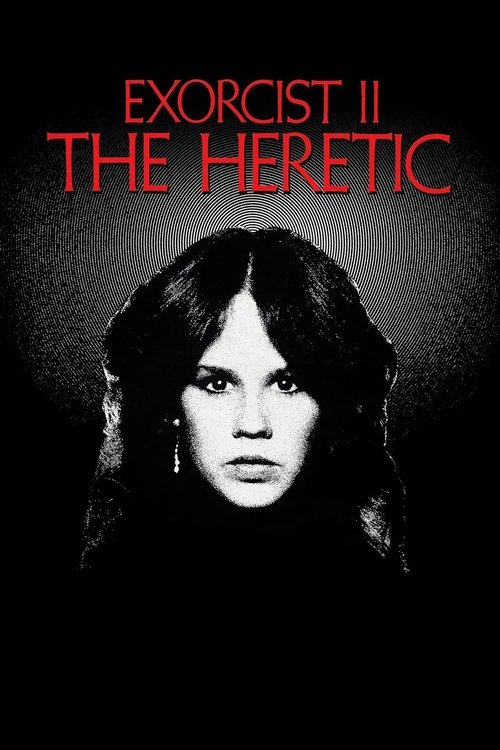
1977
1973
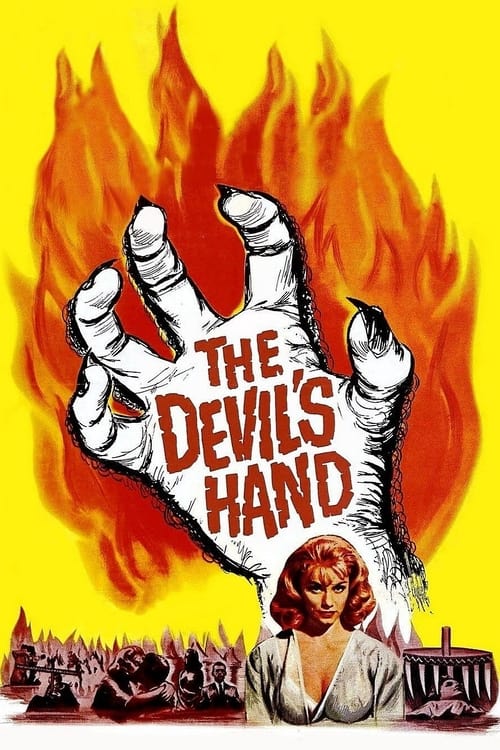
1961
No reviews yet. Be the first to share your thoughts on this movie!
Use the rating form above to leave a star rating and optional review.