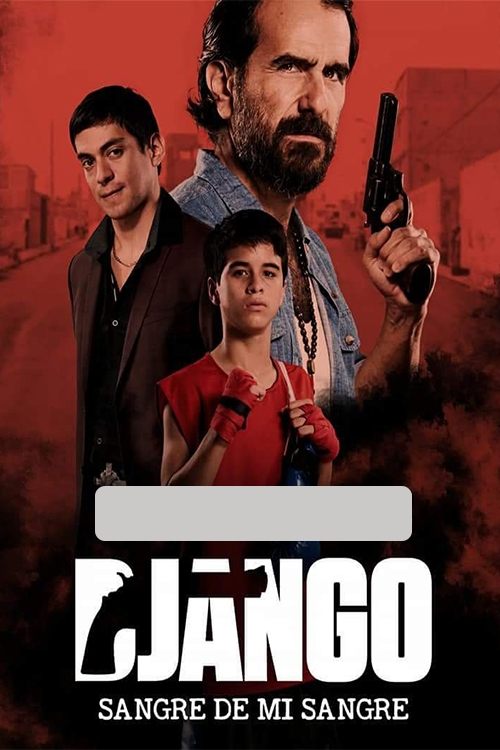
Django: Sangre de mi sangre
2018
No user ratings available yet
Representation score: 0.8 out of 10
Representation Score
Minimal
2019
Director
Aldo Salvini
Runtime
110 minutes
Average Rating
No ratings yetNew Showbiz Analysis
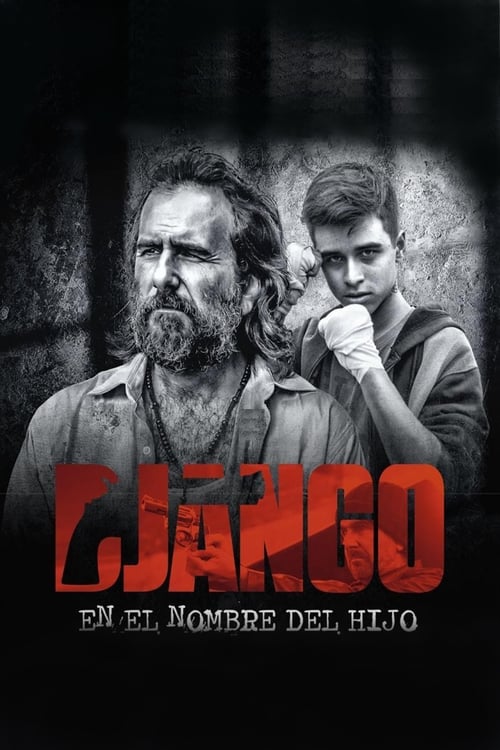
Django: En el nombre del hijo lacks clear narrative depth regarding social themes. Although the cast list implies a diverse ensemble, the film does not show intentional representation of multiple aspects of identity or meaningful character's ability to drive the story. Without specific plot details or character arcs, it is hard to determine if the film challenges traditional social hierarchies. The production seems to follow a standard ensemble format without evident progressive storytelling. Overall, the film’s impact on diversity remains uncertain. Without visible evidence of diverse identities or cultural critiques, it cannot be considered disruptive of conventional cinematic clichés.
Category Breakdown
The film does not include any representation of LGBTQ+ identities or same-sex relationships. It also does not provide any critique of the assumption that everyone is straight or cisgender.
It is difficult to evaluate the role of women or challenge traditional gender hierarchies due to a lack of character development or relevant dialogue.
The main cast includes names suggesting a multicultural background, such as Urbina, Astengo, Orúe, and Vega. However, it is unclear if these characters have significant influence in the story.
There is no information about the film's portrayal of Western social structures or its stance on secularism or institutional critique.
The film does not mention or include any representation of neurodivergent or physically disabled characters.
Present on Screen
Limited or Absent
2018

1976
2009
1966
1997

2023

1998

2016
No reviews yet. Be the first to share your thoughts on this movie!
Use the rating form above to leave a star rating and optional review.