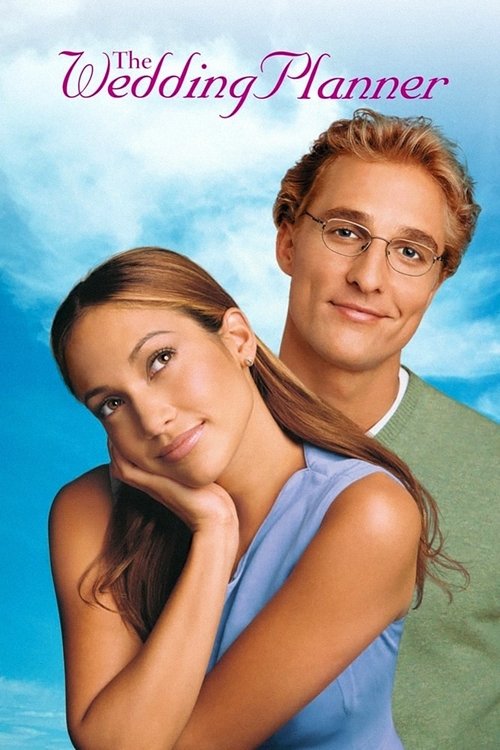
The Wedding Planner
2001
No user ratings available yet
Representation score: 2.4 out of 10

Representation Score
Limited
2006
RDirector
Alek Keshishian
Runtime
91 minutes
Average Rating
No ratings yetNew Showbiz Analysis
The film functions as a conventional romantic comedy that uses diverse characters to create a cosmopolitan atmosphere. While it includes queer and international figures, these elements are integrated into a traditional structure that prioritizes romantic clichés over systemic critique. Representation is present but safe, adhering to established social norms rather than challenging them. The narrative focuses on interpersonal dynamics within a high-fashion setting, offering meaningful inclusion that remains secondary to the central heterosexual plot.
Category Breakdown
Peter Simon, a gay screenwriter, is a stable presence in the protagonist's social circle. However, his identity mainly serves as a plot device for a romantic misunderstanding.
The film centers on Jacks, a woman navigating professional and romantic life with autonomy. Yet, her role remains tied to traditional romantic pursuits and social courting clichés.
The inclusion of Paolo, an Argentinian assistant, adds international flavor to the ensemble. The narrative uses this ethnic diversity as a stylistic element of a cosmopolitan setting without delving into deeper identity themes.
The story operates within a standard Western capitalist framework centered on the high-fashion industry. It focuses on individual romantic success rather than critiquing social or institutional structures.
There is no visible evidence of characters navigating physical, neurodivergent, or mental health disabilities within the narrative.
Present on Screen
Limited or Absent
Official Synopsis
Flighty Emily "Jacks" Jackson works for the British edition of Vogue magazine. Rather than pursue a relationship, Jacks regularly hooks up with her devoted ex-boyfriend, James Wildstone, and lives with Peter Simon, a gay screenwriter. When Jacks meets Argentinian photographer's assistant Paolo Sarmiento, she assumes he is gay and tries to bring him and Peter together, unaware that Paolo is straight and in love with her.
2001
1999
2006

2017
2007
2006

2015

2001
No reviews yet. Be the first to share your thoughts on this movie!
Use the rating form above to leave a star rating and optional review.