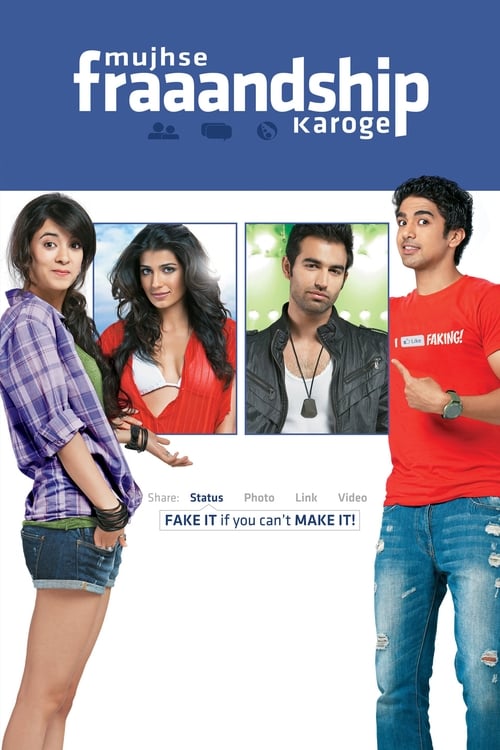
Mujhse Fraaandship Karoge
2011
No user ratings available yet
Representation score: 4.4 out of 10
Representation Score
Good
2014
Director
Amit Masurkar
Runtime
89 minutes
Average Rating
No ratings yetNew Showbiz Analysis
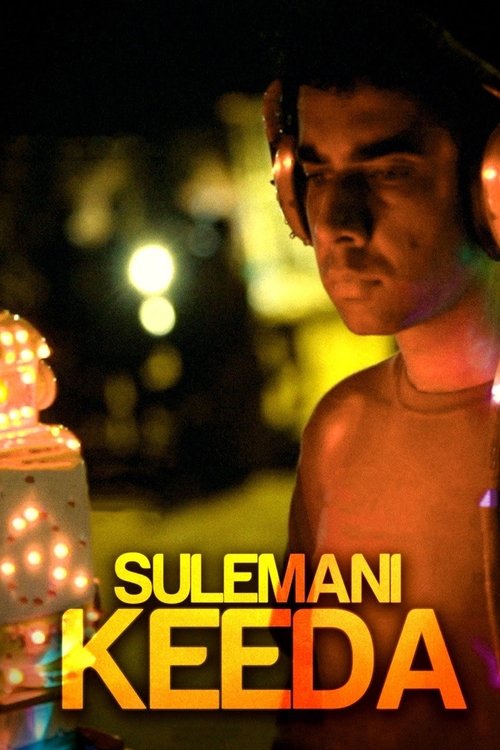
Sulemani Keeda succeeds as a slice-of-life exploration of urban aspiration, offering a sophisticated alternative to idealized mainstream narratives. Its strength lies in its authentic cultural grounding and its refusal to adhere to rigid, traditionalist social hierarchies. However, the film lacks depth in specific identity-based representation, focusing instead on broader societal issues. Ultimately, the film is a meaningful work of contemporary realism that prioritizes character-driven ability to act over radical identity politics.
Category Breakdown
The film focuses on the romantic relationship between its main duo but does not explicitly address queer identities. It avoids traditional stereotypes but lacks diverse LGBTQ+ representation.
The female lead plays a significant role in driving the story and maintains professional ambition rather than being confined to domestic roles. The protagonists' shared struggle disrupts conventional gender hierarchies without fully subverting them.
The film provides an authentic depiction of the South Asian middle class in Mumbai. It avoids Westernized archetypes and emphasizes local nuance within an urban Indian setting.
The narrative critiques established social and economic structures through the lens of urban chaos. It offers a skeptical view of traditional institutions, focusing instead on the volatility of capitalist aspirations.
The story focuses on socioeconomic and professional challenges rather than physical or neurodivergent experiences. There is no significant evidence of characters navigating visible or invisible disabilities.
Present on Screen
Limited or Absent
Official Synopsis
A pair of ne'er-do-wells with Bollywood dreams finally get a chance to write a screenplay, but romance might get in their way.
2011
2010
2006

2017
2018
2016

2016

2019
No reviews yet. Be the first to share your thoughts on this movie!
Use the rating form above to leave a star rating and optional review.