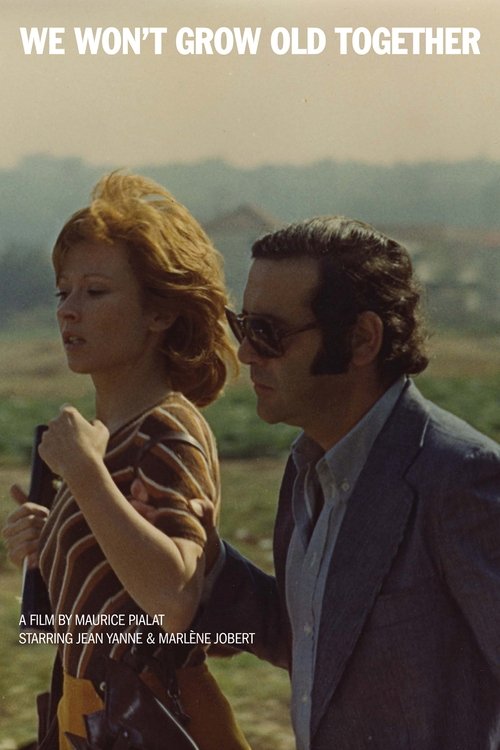
We Won't Grow Old Together
1972
No user ratings available yet
Representation score: 2.8 out of 10
Representation Score
Good
1976
Director
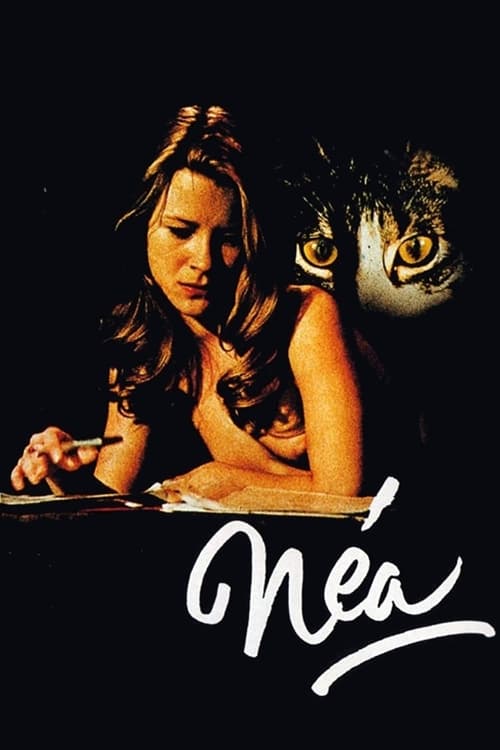
Nelly Kaplan
Runtime
101 minutes
Average Rating
No ratings yetNew Showbiz Analysis
Nelly Kaplan’s *Néa* is a powerful deconstruction of patriarchal structures. By focusing on a female protagonist who actively dismantles male authority, the film moves beyond simple character study into a sophisticated critique of social hierarchies. The film’s strength lies in its portrayal of female autonomy and empowerment. It challenges traditional morality and frames the disruption of social order as a form of liberation. While the film lacks explicit LGBTQ+ representation or multicultural blending, its intentionality in challenging hegemony and its regional authenticity provide a strong, cohesive narrative experience.
Category Breakdown
The film focuses on the conflict between the protagonist and the societal norms that assume everyone is straight or cisgender. It does not center on LGBTQ+ identities or non-cisgender gender expressions.
The film excels in challenging traditional gender roles. The protagonist uses her intelligence and sexuality to undermine male authority, emphasizing her independence over traditional subservience.
Casting aligns with a Mediterranean setting, providing regional authenticity. The film maintains a cohesive, culturally specific environment reflecting its historical and geographic context.
The narrative critiques traditional Western institutions and religious frameworks. It portrays the protagonist's disruption of social norms as a necessary liberation from oppressive structures.
There is no significant evidence of characters with visible or invisible disabilities. Such traits are not used as plot devices within the narrative.
Present on Screen
Limited or Absent
Official Synopsis
In Genève, bookseller and publisher Axel Thorpe catches willful, rich 16-year-old Sibylle Ashby shoplifting. She brags about her writing, so he challenges her to produce a book. She writes an erotic novel that Thorpe publishes anonymously, and it becomes a best seller. She also tries to capture the love of this 40-year-old publisher but he drops her for her older sister.
1972

1980

1964

1995

1974

2011
1977
1969
No reviews yet. Be the first to share your thoughts on this movie!
Use the rating form above to leave a star rating and optional review.