Find another title
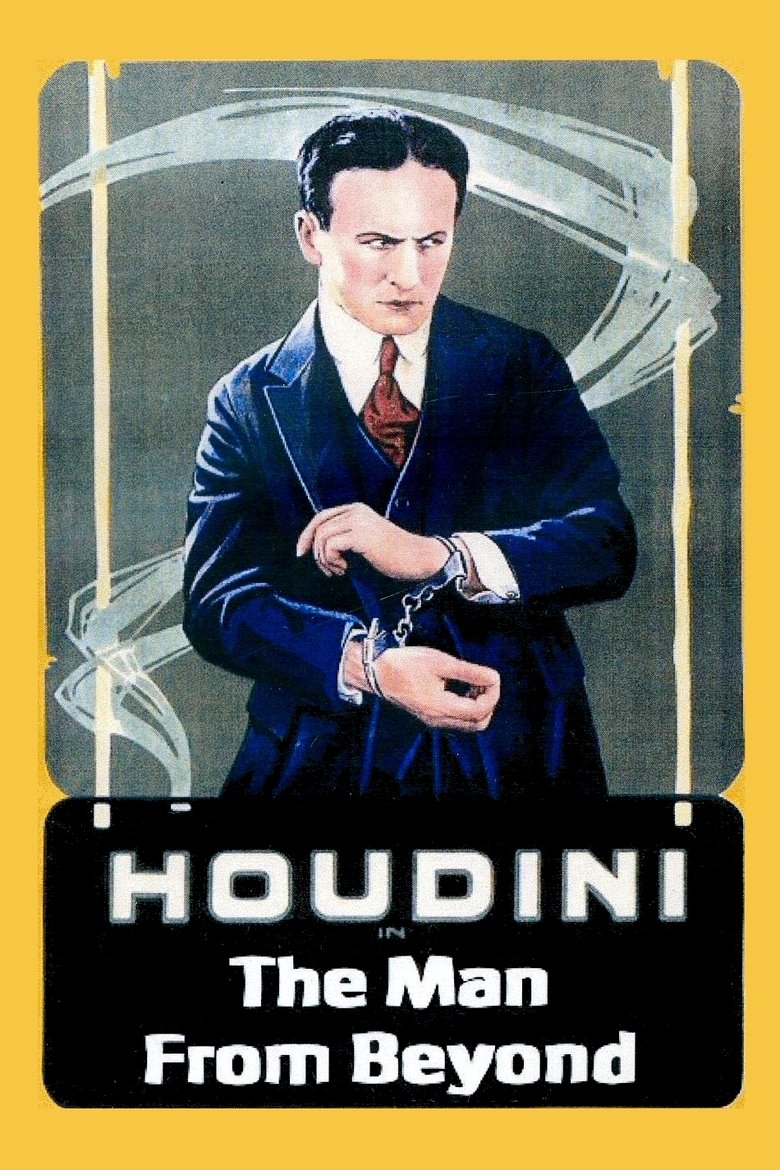
The Man from Beyond
1922
Director
Burton L. King
Runtime
78 minutes
Average Rating
No ratings yetSynopsis
The Arctic, 1922. After being buried under the ice for a hundred years, Howard Hillary is thawed and revived. When he meets Felice Strange, he recognizes in her the same woman he once loved deeply. But is it really her?
Where to Watch
Diversity & Representation
Overall Score
Limited
Category Breakdown
LGBTQ+ Representation
The story centers on a romantic reunion between Howard Hillary and Felice Strange. There is no evidence of non-cisnormative identities or critiques of heteronormativity within the narrative.
Gender Representation
The plot architecture focuses on a male protagonist's journey of revival. While Felice Strange is emotionally central, her role appears defined by her relationship to the male lead.
Racial & Ethnic Diversity
The Arctic setting and character names suggest a cast of Anglo-Saxon or Western European archetypes. The film reflects the homogeneous casting standards prevalent in 1922.
Religious & Cultural Diversity
The film follows a classic adventure and mystery framework. It focuses on individual romantic drama rather than the deconstruction of social institutions or Western critiques.
Disability Representation
There is no information available regarding the portrayal of physical or neurodivergent disabilities in this production.
Strengths
- The film provides a classic mystery and adventure framework centered on temporal displacement.
Areas for Improvement
- The narrative lacks diverse character identities and intersectional perspectives.
- Gender roles appear restricted to traditional romantic tropes.
- The casting reflects a lack of racial and ethnic variety.
AI Analysis
The Man from Beyond is a conventional silent-era adventure drama that relies heavily on traditional romantic and mystery tropes. The narrative structure lacks intersectional complexity, focusing instead on a singular, heteronormative romantic arc. Character agency appears limited by the era's standards, with the female lead's importance tied primarily to her connection with the male protagonist. The setting and casting suggest a lack of racial or cultural diversity. Ultimately, the film functions as a standard period piece that reflects the demographic homogeneity and social norms of the early 1920s.
Rate this Movie
Reviews
No reviews yet. Be the first to share your thoughts on this movie!
Use the rating form above to leave a star rating and optional review.