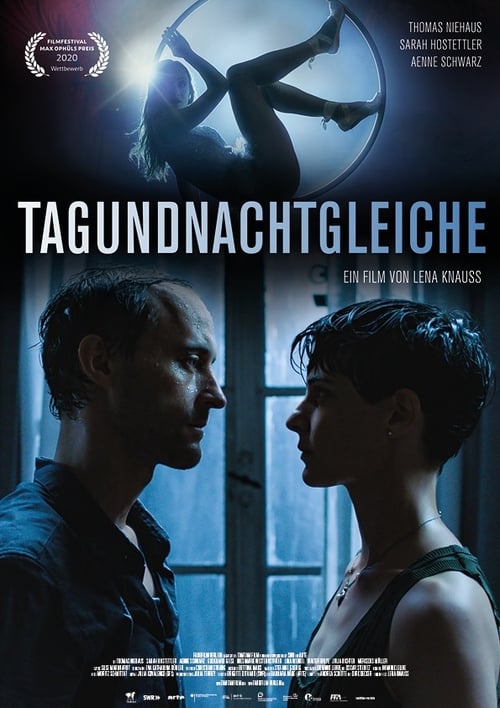
Equinox
2021
No user ratings available yet
Representation score: 4.1 out of 10

Representation Score
Limited
2019
Director
Florian Koerner von Gustorf
Runtime
90 minutes
Average Rating
No ratings yetNew Showbiz Analysis
What Might Have Been operates as a traditional character study centered on personal history and romantic memories. It offers a detailed exploration of female independence and emotional autonomy through Astrid, yet stays within the confines of conventional romantic drama clichés. The film does not explore multi-layered issues or disrupt social hierarchies systematically. While it touches on historical contexts like East Germany, the emphasis remains on individual emotional experiences rather than socio-political critiques. Overall, the work adheres to a standard European drama format. It lacks diverse casting or queer themes necessary to challenge established cultural norms or offer a more inclusive representation.
Category Breakdown
The story focuses on heterosexual relationships between Astrid, Paul, and Julius. There are no characters with non-cisgender identities or narratives that question the assumption that everyone is straight.
Astrid is a key character who navigates her own independence and emotional life. The film highlights her ability to manage her romantic journey.
The setting in Budapest and East Germany suggests a mostly white cast. The narrative seems to align with the typical demographics expected in a European period drama.
The film delves into themes of memory and the changing face of post-Cold War Europe. It emphasizes personal nostalgia over a critical look at Western institutions or religion.
The narrative does not mention any characters with visible or invisible disabilities.
Present on Screen
Limited or Absent
Official Synopsis
Astrid is in her late forties and has her life firmly under control. She has fallen in love with Paul, and their first weekend trip together takes them to Budapest for a few romantic days, just the two of them. But in the Hungarian capital things happen differently than they'd planned: They run into Julius, Astrid's first great love, whom she'd met at an artists' party in East Germany in 1986.
2021

2023

2017

2019

2019
2015
2021

2020
No reviews yet. Be the first to share your thoughts on this movie!
Use the rating form above to leave a star rating and optional review.