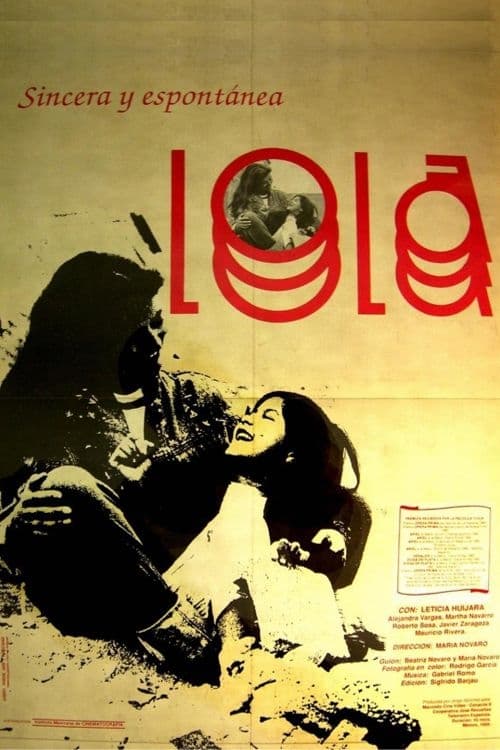
Lola
1989
No user ratings available yet
Representation score: 6.2 out of 10

Representation Score
Good
2019
TV-MADirector
Alejandra Márquez Abella
Runtime
99 minutes
Average Rating
No ratings yetNew Showbiz Analysis
Alejandra Márquez Abella presents a nuanced examination of identity within the context of systemic oppression. By highlighting queer intimacy and female autonomy, the film challenges the rigid social structures of 1960s Spain. The narrative effectively uses the tension between private desires and state-imposed morality to drive its emotional core. While rooted in its specific historical context, the film's critique of traditionalist institutions resonates universally regarding personal freedom.
Category Breakdown
The story centers on a romantic relationship between Julia and Eva, which challenges traditional expectations by exploring private desires in a repressive environment.
The film highlights the active roles of women, portraying them as complex individuals navigating and resisting restrictive social roles.
Casting reflects the demographic realities of 1960s Spain. The narrative focuses more on socioeconomic class-based identity than on racial blending or non-majority casts.
The film critiques the blend of state authority and religious doctrine, showing how personal ethics clash with the oppressive mandates of the dictatorship.
There are no prominent depictions of physical or neurodivergent disabilities that significantly impact the main plot or character development.
Present on Screen
Limited or Absent
Official Synopsis
Sofía, a well-to-do socialite and her husband must wrestle with the impact of Mexico's 1982 economic crisis.
1989
2008

2004
2001
2018

2022

2008
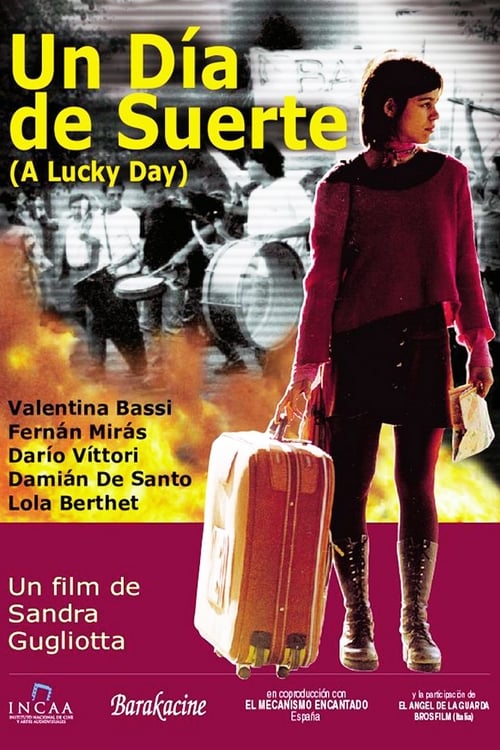
2002
No reviews yet. Be the first to share your thoughts on this movie!
Use the rating form above to leave a star rating and optional review.