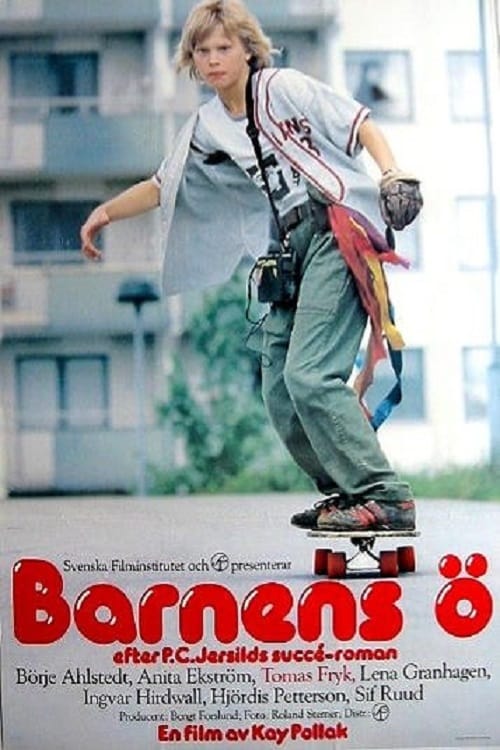
Children's Island
1980
No user ratings available yet
Diversity score: 4.6 out of 10

1964
Director
Arūnas Žebriūnas, Regina Vosyliūtė
Runtime
67 minutes
Average Rating
No ratings yetSynopsis
The movie, based on a story by Yuri Nagibin, depicts a young girl named Vika enjoying the last days of summer vacations in a sea resort somewhere in the south.
Overall Score
Limited
Category Breakdown
LGBTQ+ Representation
The film lacks evidence of non-heteronormative identities or same-sex intimacy. It appears to follow a traditional coming-of-age arc within the social frameworks of 1964.
Gender Representation
Vika provides a female-driven perspective as the central protagonist. However, her agency is expressed through emotional intelligence rather than the active subversion of patriarchal structures.
Racial & Ethnic Diversity
The setting and cast reflect a homogeneous demographic consistent with the era's social reality. There is no evidence of intersectional casting or diverse ethnic identities.
Religious & Cultural Diversity
The narrative explores individual experiences of youth and family within conventional social norms. It focuses on stable, traditional structures rather than deconstructing them.
Disability Representation
There is no mention of characters navigating physical, sensory, or neurodivergent conditions within the story.
Strengths
Areas for Improvement
AI Analysis
The film serves as a period-specific character study rooted in Soviet-era lyrical realism. It prioritizes psychological depth and the nuances of human connection over social disruption. While the narrative centers on a young girl, it remains tethered to the traditional tropes and demographic homogeneity of its time. Because the work operates within the cultural constraints of 1964, it lacks the intersectional complexity or systemic subversion found in more progressive cinema. It functions as a snapshot of a specific social reality rather than a tool for social change.
1980
1996

1958

1986
No reviews yet. Be the first to share your thoughts on this movie!
Use the rating form above to leave a star rating and optional review.