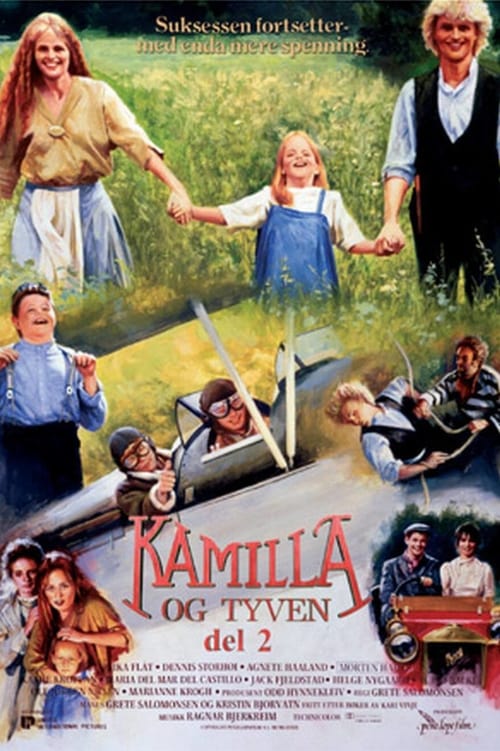
Kamilla and the Thief 2
1989
No user ratings available yet
Diversity score: 3.9 out of 10
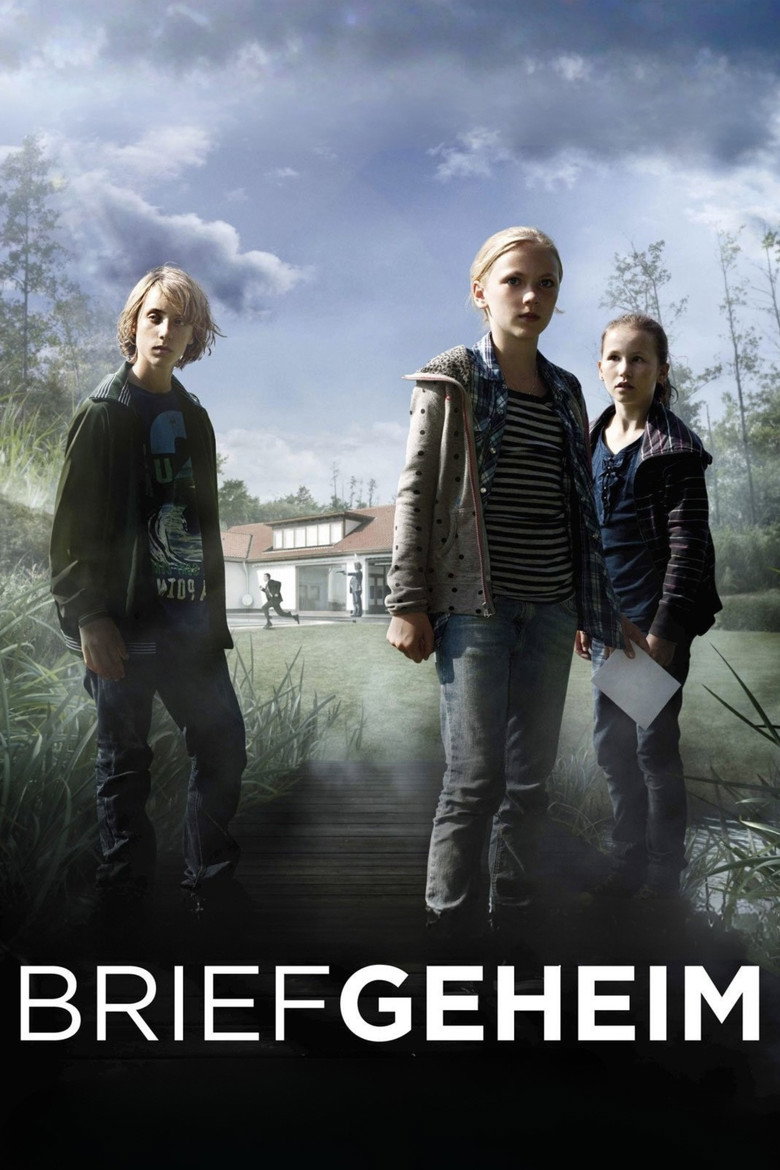
2010
Director
Simone van Dusseldorp
Runtime
80 minutes
Average Rating
No ratings yetSynopsis
Eleven-year-old Eva is upset by the many rows between her parents and decides to run away. She wants to hide at her best friends Jackie and Thomas’ house, but circumstances bring her to her mysterious neighbour’s garden. She finds a secret letter there, which tells her the man is a king pin in a criminal organisation. And he is not exactly happy with Eva’s unannounced visit. To convince her of the importance of secrecy, he reveals that Eva’s dad is also involved in his illegal affairs. Eva hesitates: is her father who he claims to be? From that moment on, the enterprising girl does her utmost to exonerate her father from being involved. A period dawns in which Eva discovers that grownups also lead their own lives. She wants to ask questions, but at the same time she is afraid of the answers.
Overall Score
Fair
Category Breakdown
LGBTQ+ Representation
The film lacks explicit evidence of LGBTQ+ characters or non-heteronormative dynamics. The narrative focuses primarily on the protagonist's relationship with her parents and the immediate familial unit.
Gender Representation
Eva, the young female protagonist, drives the plot with significant agency. Her enterprising nature subverts the 'helpless child' trope by transforming her from a passive observer into an active investigator.
Racial & Ethnic Diversity
The setting appears to be a localized European domestic environment. There is no explicit evidence of a non-white majority or intentional race-bending within the provided character descriptions.
Religious & Cultural Diversity
The story deconstructs the sanctity of the nuclear family by questioning parental moral authority. It uses moral relativism to challenge traditional Western ideals of domestic stability and adult reliability.
Disability Representation
There is no mention of characters navigating physical, neurodivergent, or mental health disabilities. The available information provides no basis for assessing representation in this category.
Strengths
Areas for Improvement
AI Analysis
The film succeeds in subverting traditional gender roles by centering on an enterprising young girl who actively investigates her family's secrets. This provides a meaningful shift in agency for a child protagonist. However, the narrative lacks breadth in terms of intersectional identity. There is no visible representation of LGBTQ+ individuals or significant racial diversity, keeping the scope focused on a traditional European domestic structure. Ultimately, the film's strength lies in its psychological complexity and its willingness to dismantle the facade of parental authority, rather than in broad demographic inclusivity.
1989
2017

1953
1995

2012
2016
No reviews yet. Be the first to share your thoughts on this movie!
Use the rating form above to leave a star rating and optional review.