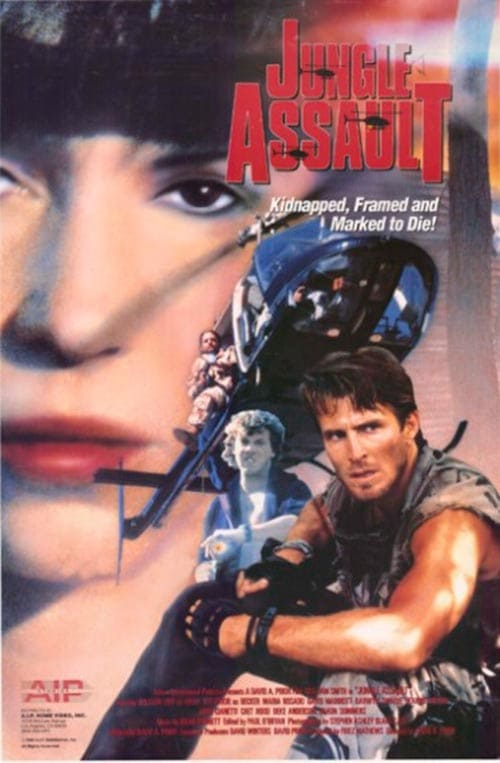
Jungle Assault
1989
No user ratings available yet
Representation score: 0.6 out of 10
Representation Score
Limited
1997
RDirector
Mark Griffiths
Runtime
89 minutes
Average Rating
No ratings yetNew Showbiz Analysis
Behind Enemy Lines is a typical 1990s action-war film that emphasizes linear heroism and established archetypes. It prioritizes masculine ability to act and standard geopolitical conflict clichés. The narrative adheres to traditional cinematic hierarchies, focusing on the physical capabilities of its mercenary protagonists. This results in a narrow perspective that reinforces existing power dynamics. Ultimately, the film avoids deconstructing Western institutions and relies on wartime motifs rather than exploring complex identity-driven narratives. The film maintains a conventional structure, focusing on high-stakes military action and individual heroism. However, it lacks intentionality regarding diverse representation, focusing instead on the physical capabilities of its characters.
Category Breakdown
The film focuses on male mercenaries and does not include any non-conforming gender identities or same-sex relationships.
The story centers on male combat roles and military structures, reinforcing traditional masculine leadership roles.
The film features Western protagonists in a Vietnamese setting, with the focus remaining on the ex-marine rather than a diverse cast.
The story uses a standard Western military framework, emphasizing individual heroism over a critique of Western dominance.
The character arcs highlight physical prowess and conventional abilities, with no indication of neurodivergence or physical disabilities.
Present on Screen
Limited or Absent
Official Synopsis
An ex-marine returns to Vietnam when he learns his former mercenary partner whom he thought was killed is being held by a sadistic general.
1989
1983

1980
1987
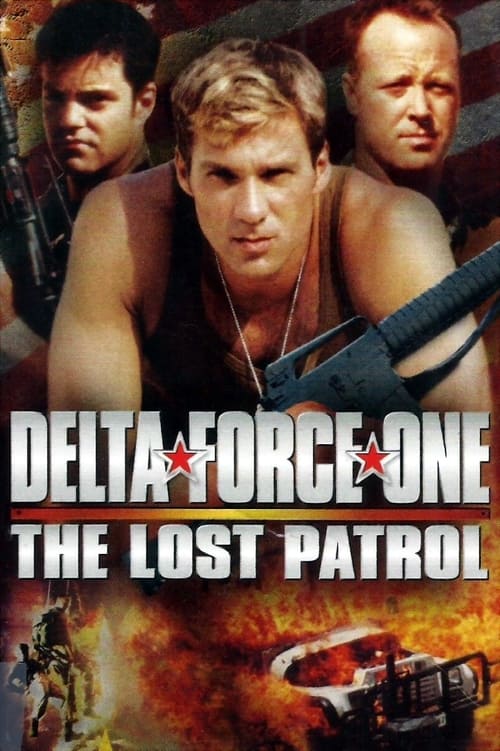
2000
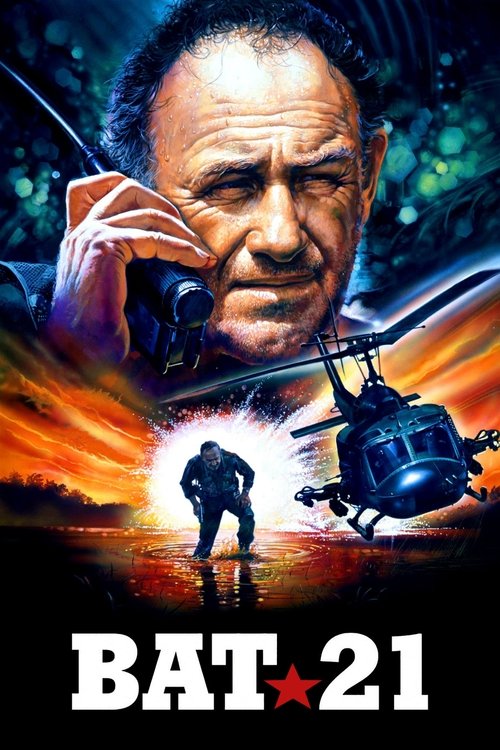
1988
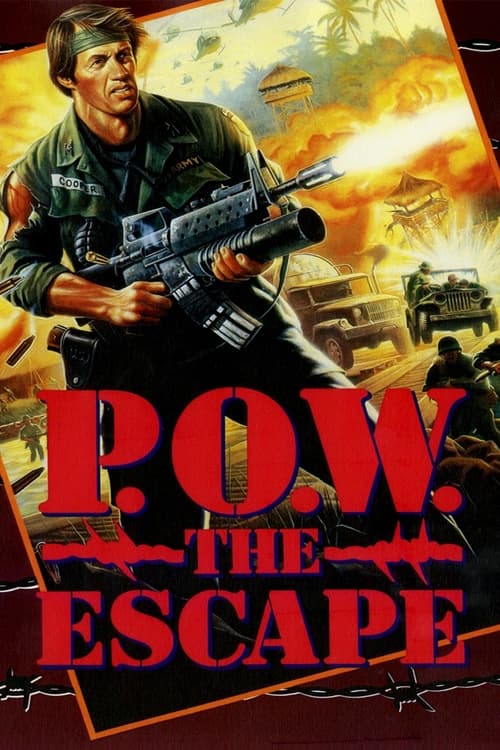
1986
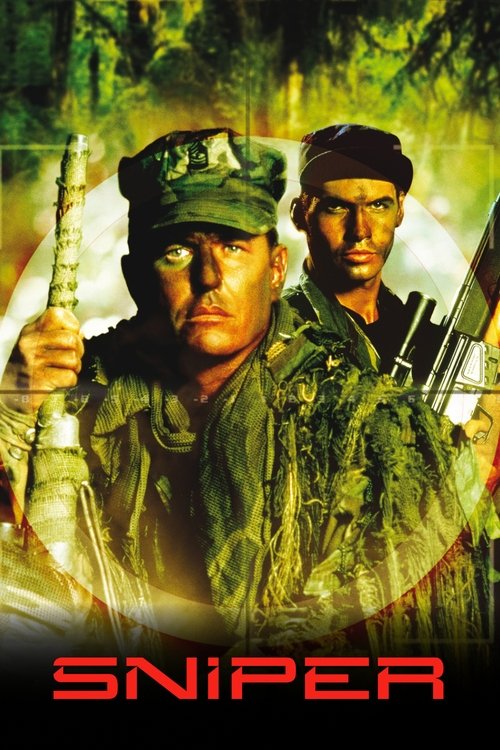
1993
No reviews yet. Be the first to share your thoughts on this movie!
Use the rating form above to leave a star rating and optional review.