The Lesson
2014
No user ratings available yet
Representation score: 3.0 out of 10
Representation Score
Good
2017
Director
Petar Valchanov, Kristina Grozeva
Runtime
101 minutes
Average Rating
No ratings yetNew Showbiz Analysis
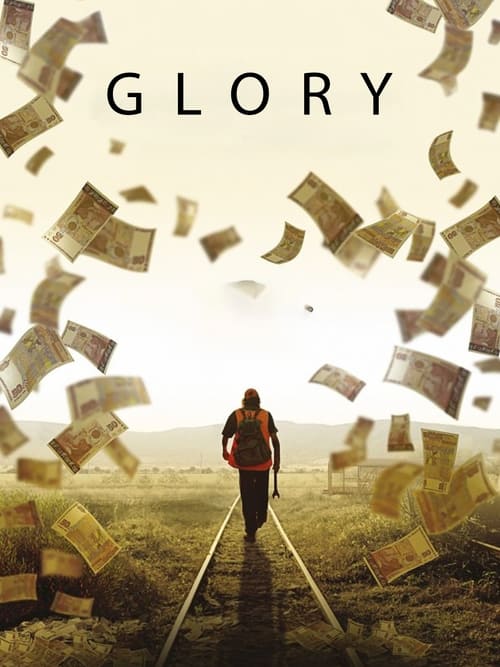
Glory is a realistic film that emphasizes psychological truth over overt political messages. It avoids caricatures and delves into the impact of systemic structures on personal dignity. The film's strength lies in its focus on individual ability to act and a subtle critique of institutional indifference. However, it remains localized and homogeneous, with a narrow ethnic scope and no depiction of physical or neurodivergent disabilities.
Category Breakdown
The film does not feature explicit LGBTQ+ characters or explore non-straight relationships. It focuses on a traditional character study without challenging the assumption that everyone is straight.
Though the story revolves around a male protagonist, the narrative tension hinges on the professional perspective of Julia Staikova. The film steers clear of domestic clichés, emphasizing professional competence.
As a Bulgarian production, the film showcases a predominantly homogeneous cast reflecting the current demographic composition of Eastern Europe.
The film presents a nuanced look at institutional power by depicting the state bureaucracy as indifferent. It examines how rigid formal structures can impede an individual's quest for justice.
The film does not prominently depict physical or neurodivergent disabilities. The narrative centers on the psychological and socioeconomic pressures faced by the main characters.
Present on Screen
Limited or Absent
Official Synopsis
When Tsanko Petrov, a railroad worker, finds millions of lev on the train tracks, he decides to turn the entire amount over to the police. Grateful, the state rewards him with a new wristwatch… which soon stops working. Meanwhile, Julia Staikova, the head of PR for the Ministry of Transport, loses his old watch. Here starts Petrov’s desperate struggle to get back not only his old watch, but his dignity.
2014

2011

2006
1996

1999
1993

2010
2014
No reviews yet. Be the first to share your thoughts on this movie!
Use the rating form above to leave a star rating and optional review.