Grotesque
2022
No user ratings available yet
Representation score: 6.2 out of 10
Representation Score
Fair
2026
NRDirector
Pierre Tsigaridis
Runtime
95 minutes
Average Rating
No ratings yetNew Showbiz Analysis
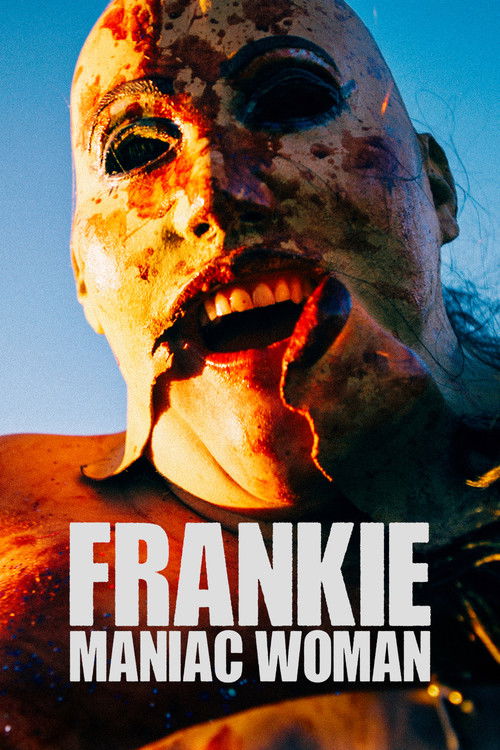
Frankie, Maniac Woman earns high marks for gender and cultural representation by centering a Latina woman’s violent pushback against misogyny and fat-shaming in the LA music industry. The predominantly Latina cast reinforces the story’s setting and themes. However, the film offers no LGBTQ+ or disability representation, narrowing its inclusivity. Its reliance on gore and trauma as narrative engines may also limit broader appeal. Overall, the movie delivers a sharp, subversive critique of industry power and gender dynamics, but its representation remains uneven across identity categories.
Category Breakdown
No LGBTQ+ characters appear in the film. The narrative concentrates on Frankie’s trauma and violent retaliation within the music industry, without depicting same-sex relationships or non-heteronormative identities.
Frankie Ramirez, a woman, drives the story as she violently confronts misogyny and fat-shaming in the LA music scene. Male antagonists become targets of her rage, subverting horror conventions that often cast women as passive victims.
The lead, Frankie Ramirez, is played by Dina Silva, and the ensemble includes Rocío de la Grana and Daniella Mendoza. This predominantly Latina cast aligns with the film’s Los Angeles music-industry setting.
The plot critiques the LA music business as image-obsessed and cruel, portraying its standards as a corrupt system that harms women. Frankie’s violence emerges as a response to systemic abuse rather than senseless evil.
No characters with physical or mental disabilities are presented. The film focuses on psychological trauma and body image, leaving disability representation absent from its narrative and cast.
Present on Screen
Limited or Absent
Official Synopsis
Battling against the legacy of childhood trauma, internalised misogyny, and the image-obsessed fat shaming of the LA music business, aspiring singer-songwriter Frankie Ramirez finally snaps, with bloody results.
2022
2011
2021
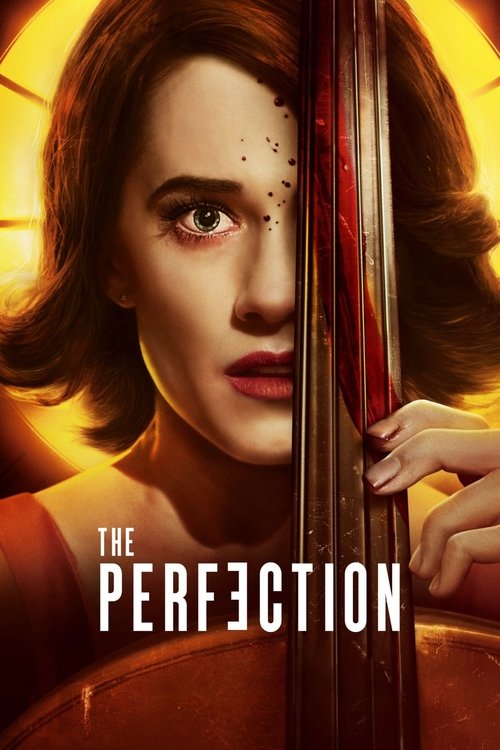
2018
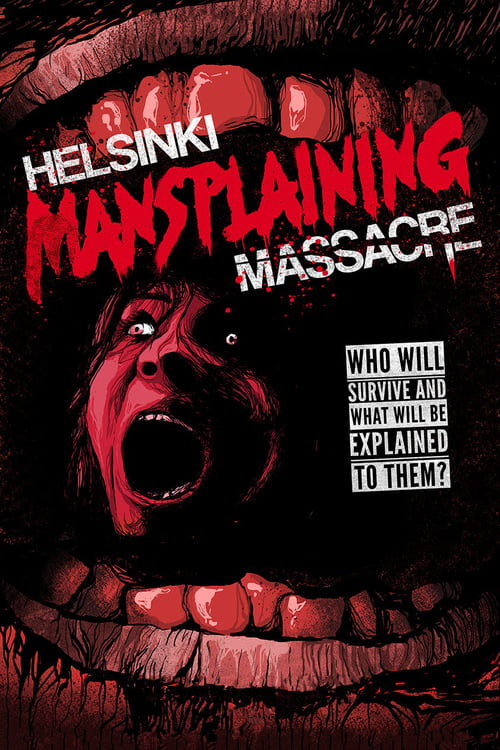
2018

2026
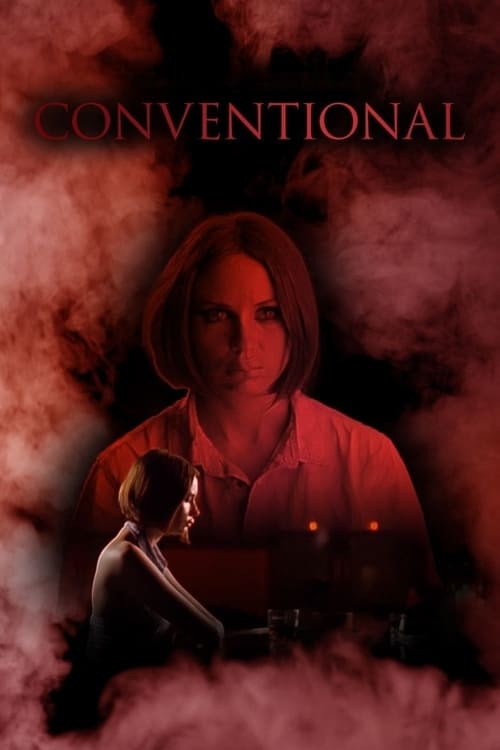
2015
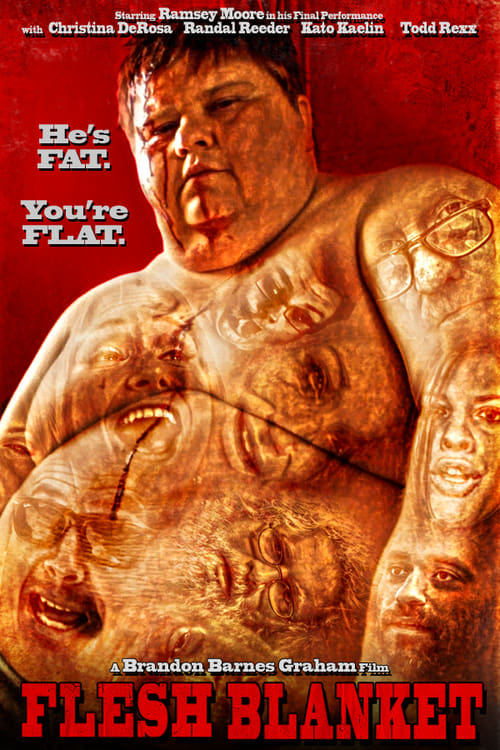
2018
No reviews yet. Be the first to share your thoughts on this movie!
Use the rating form above to leave a star rating and optional review.