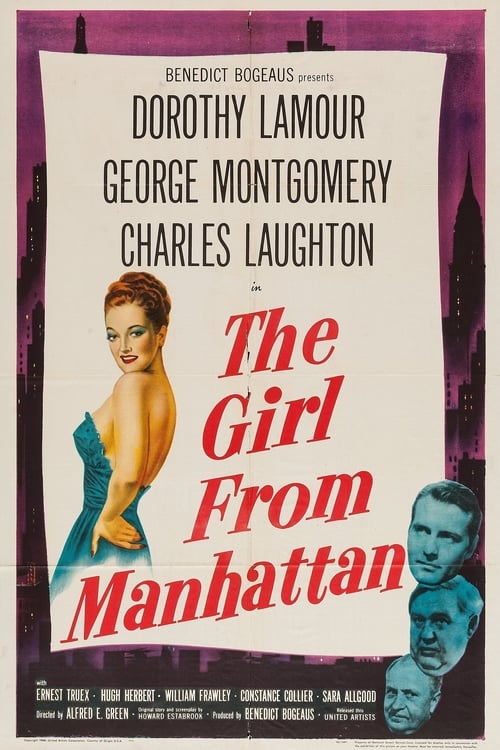
The Girl from Manhattan
1948
No user ratings available yet
Representation score: 0.4 out of 10
Representation Score
Minimal
1948
NRDirector
Charles Martin
Runtime
94 minutes
Average Rating
No ratings yetNew Showbiz Analysis
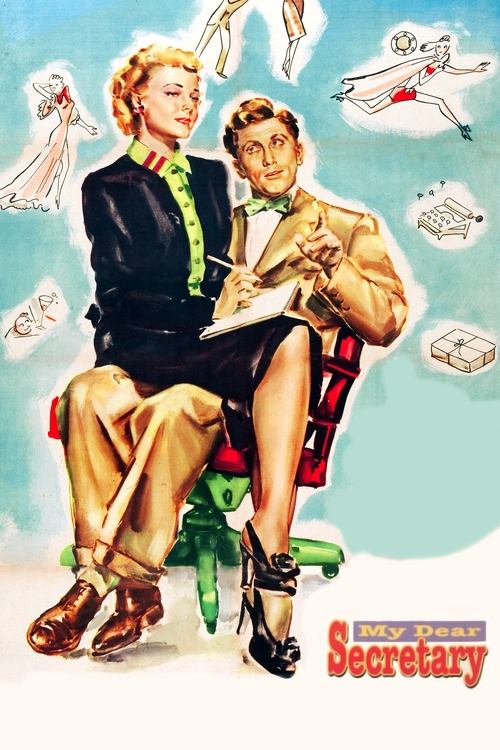
My Dear Secretary is a conventional romantic comedy reflecting the social and demographic norms of the late 1940s. It functions primarily as a genre piece without intentional depth in representing multiple aspects of identity. The film offers a minor subversion of traditional gender roles by portraying the male protagonist as erratic and immature, allowing the female lead to provide stability. However, the plot remains tied to traditional romantic clichés. Ultimately, the work lacks meaningful representation of underrepresented identities, adhering to the standard structures of its time.
Category Breakdown
The film centers on a traditional romantic relationship between a secretary and a novelist, operating within conventional heterosexual frameworks without any indication of non-traditional gender identities.
The narrative challenges traditional gender roles by depicting the male lead as erratic and immature, allowing the female protagonist to take on a more stable and competent role.
The film likely reflects the demographic norms of the 1948 studio system, with no indication of diverse ethnic representation or intentional casting of actors from different backgrounds.
Themes of competition within marriage suggest a focus on traditional Western social structures, with the primary setting being a domestic environment.
There is no mention of characters with visible or invisible disabilities in the narrative or historical records.
Present on Screen
Limited or Absent
Official Synopsis
A budding young writer thinks it's her lucky day when she is chosen to be the new secretary for Owen Waterbury, famous novelist. She is soon disppointed, however, when he turns out to be an erratic, immature playboy. Opposites attract, of course, but not without sub-plots that touch on competitiveness within marriage and responsibility.
1948

1942
1938
1949
1941
1940
1951
1934
No reviews yet. Be the first to share your thoughts on this movie!
Use the rating form above to leave a star rating and optional review.