
Bibi & Tina: Girls vs. Boys
2016
No user ratings available yet
Representation score: 3.9 out of 10
Representation Score
Limited
2017
Director
Detlev Buck
Runtime
110 minutes
Average Rating
No ratings yetNew Showbiz Analysis
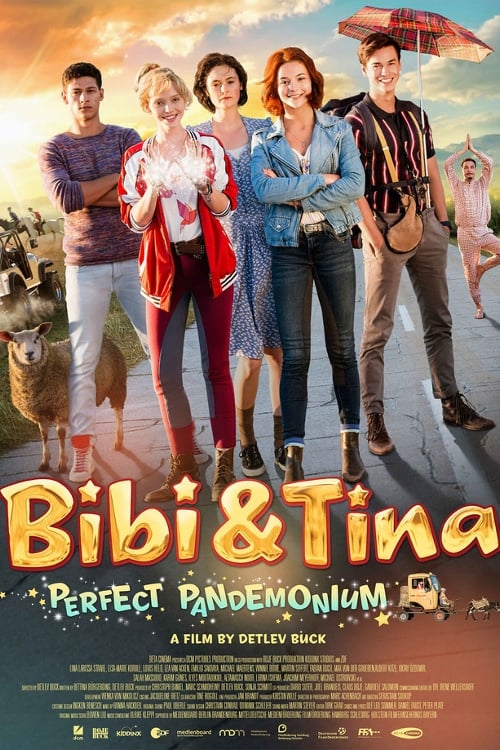
Bibi & Tina: Perfect Pandemonium is a conventional family adventure that emphasizes communal harmony over social subversion. While it successfully centers women's ability to drive the story through its main characters, the film remains within traditional narrative boundaries. It lacks diverse representation, offering a homogeneous social environment without racial or LGBTQ+ characters. The film reinforces existing social structures without challenging them. Overall, it provides a positive space for female-led storytelling but does not engage with broader identity frameworks or diverse cultural perspectives.
Category Breakdown
The film does not include any LGBTQ+ characters or representations of non-straight relationships. It focuses on traditional friendships and social dynamics among teenagers.
Bibi and Tina are strong female characters who play key roles in driving the story. The narrative emphasizes female friendship and competence in a stable, female-led adventure.
The cast is primarily composed of white actors, reflecting the film's German setting. There is no evidence of diverse ethnic representation or color-blind casting.
The story promotes traditional values of community cooperation and reconciliation. It prioritizes social cohesion and familial stability over broader systemic critiques.
There are no visible or invisible disabilities portrayed in the narrative. Characters do not represent physical or neurodivergent conditions.
Present on Screen
Limited or Absent
Official Synopsis
It's perfect pandemonium when Bibi and Tina meet a runaway boy with an attitude problem, who turns out to actually be a girl, named Adea. Adea‘s uncle is so narrow-minded and stubborn that even with all her magic spells, Bibi can't manage to get the two to reconcile. Meanwhile, Falkenstein Castle is being renovated, which is driving the Count to his wits' end. Especially since Alex is planning to hold a music festival at Falkenstein and is determined to go through with it over his father's objections. And if all that was not enough, Tina gets kidnapped. Despite the complete chaos, one thing is clear - in the end, real change comes from everybody working and pulling together, not by magic.
2016

2013
2014
2005
2022

2014

2016

2002
No reviews yet. Be the first to share your thoughts on this movie!
Use the rating form above to leave a star rating and optional review.