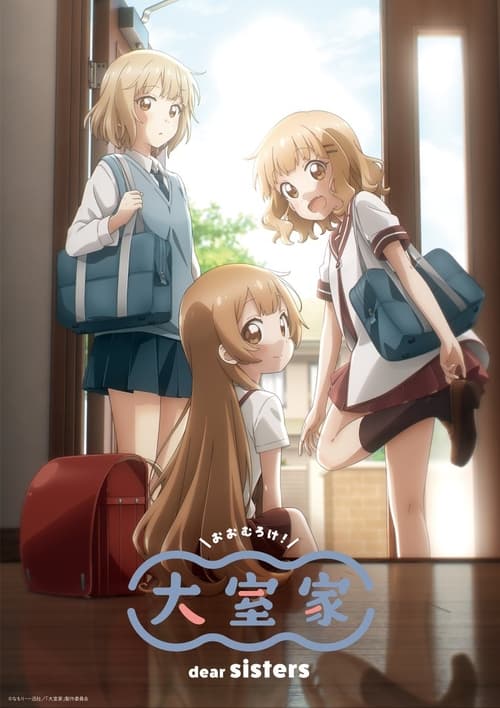
Oomuro-ke: Dear Sisters
2024
No user ratings available yet
Representation score: 5.3 out of 10

Representation Score
Fair
2024
Director
Naoyuki Tatsuwa
Runtime
44 minutes
Average Rating
No ratings yetNew Showbiz Analysis
Oomuro-ke: Dear Friends creates a world driven entirely by female characters. By centering the Oomuro sisters and their associates, the film challenges patriarchal structures and focuses on domestic autonomy. However, the production remains culturally and racially homogeneous. The setting adheres to traditional demographic norms, offering little variety in terms of ethnic or multi-ethnic representation. Ultimately, the film is a specialized slice-of-life experience. It prioritizes social cohesion and established peer dynamics over broader social or identity-based diversity.
Category Breakdown
The story centers on strong female friendships and social interactions. While specific non-binary or LGBTQ+ identities are not detailed, the genre often explores proto-romantic connections.
The story features an all-female cast, including the Oomuro sisters. This focus on female autonomy disrupts traditional gender hierarchies and removes male influence from the primary plot drivers.
The production reflects a relatively homogeneous social environment. The visual and narrative landscape aligns with traditional demographic norms for a Japanese-set anime.
The film emphasizes social harmony and the comforts of domestic life. It celebrates familial and peer-group bonds within a stable, traditional social framework.
There is no evidence of characters with visible or invisible disabilities within the provided narrative context.
Present on Screen
Limited or Absent
Official Synopsis
The second part of a YuruYuri spin-off duology featuring Sakurako and her sisters.
2024
2022
2019

2014
2022
2001

2022
2021
No reviews yet. Be the first to share your thoughts on this movie!
Use the rating form above to leave a star rating and optional review.