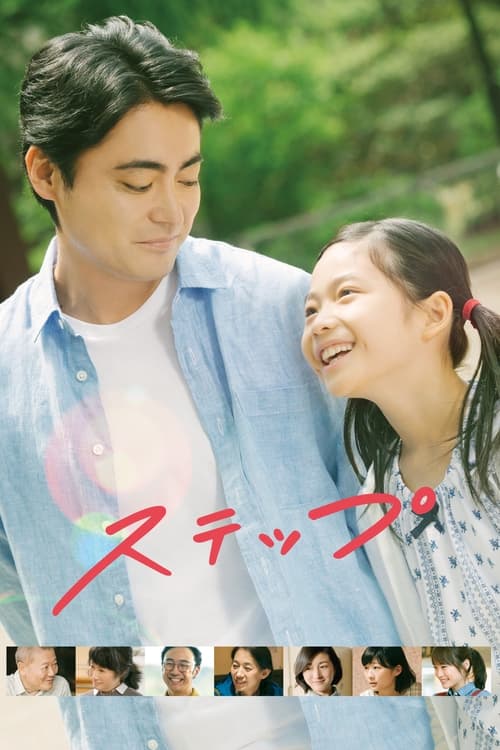
Step
2020
No user ratings available yet
Representation score: 4.2 out of 10
Representation Score
Fair
2020
Director
Atsushi Kaneshige
Runtime
119 minutes
Average Rating
No ratings yetNew Showbiz Analysis
The film provides a nuanced look at unconventional family dynamics by focusing on emotional labor and vulnerability. It moves away from the 'perfect family' cliché by centering on a divorced household and the struggles of a child facing academic failure. While the film offers progressive value through its depiction of nurturing fatherhood, it remains limited in scope. The narrative lacks explicit characters who reflect more than one aspect of diversity, queer identities, or a diverse cast, staying rooted in a specific, homogeneous cultural context. Ultimately, the work succeeds as a character-driven drama that redefines masculinity through caretaking, even if it does not engage in broader systemic social critique.
Category Breakdown
The film does not explicitly depict LGBTQ+ identities or non-straight relationships. It centers on a traditional father-son relationship.
The story challenges traditional gender roles by showing a father doing domestic work. However, the lack of female characters restricts the exploration of gender hierarchies.
This Japanese film focuses on a homogeneous domestic setting. It does not pursue diverse casting and instead sticks to a localized demographic profile.
The film examines a divorced household and academic struggles, emphasizing personal connections and emotional turmoil over societal perfection.
The film does not portray any physical, neurodivergent, or mental health conditions.
Present on Screen
Limited or Absent
Official Synopsis
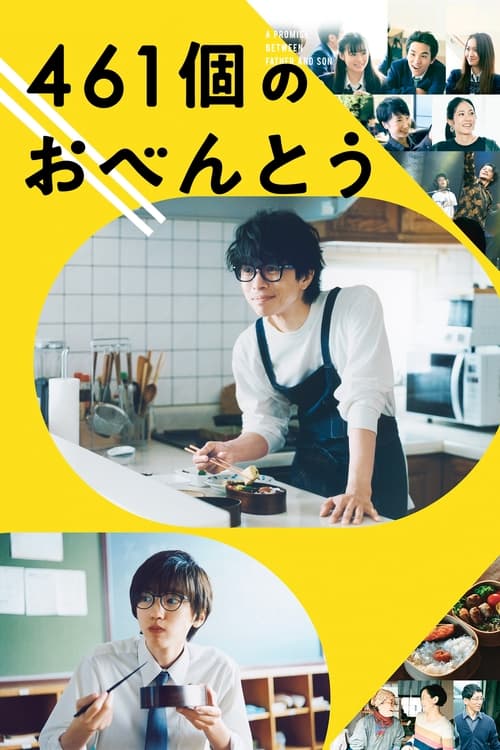
Kazuki Suzumoto is divorced and he lives with his 15-year-old son Kouki. Kouki is in a susceptible time. The father feels guilty about his son. Kouki then fails his high school entrance exam. In the spring of the following year, Kouki barely passes his high school entrance exam. Kouki mentions to Kazuki that he likes his father's lunch box. The father and son make a promise to each other. Kazuki promises that he will make a lunch box everyday for Kouki. Kouki promises that he will never skip school.
2020

1996

2021

2020

2019

1997

2023

2015
No reviews yet. Be the first to share your thoughts on this movie!
Use the rating form above to leave a star rating and optional review.