William Kunstler: Disturbing the Universe
2009
No user ratings available yet
Representation score: 6.4 out of 10
Representation Score
Good
2010
TV-GDirector
Mick Caouette
Runtime
114 minutes
Average Rating
No ratings yetNew Showbiz Analysis
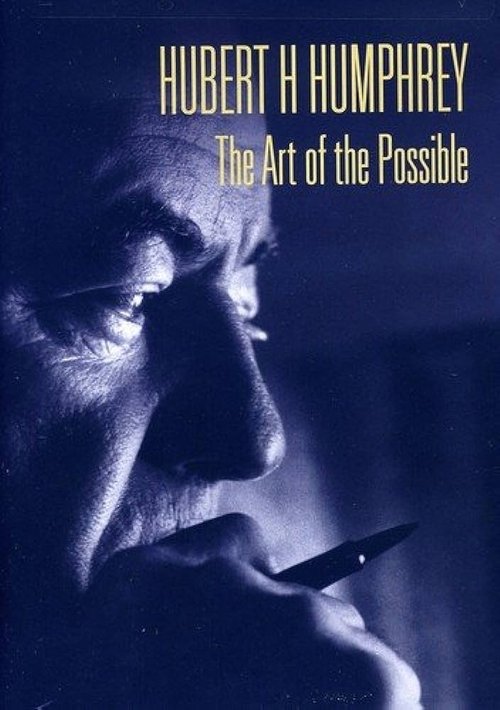
This documentary examines institutional progress through Hubert Humphrey's legislative legacy. It excels in documenting the systemic shifts of the Civil Rights Movement and the expansion of social safety nets like Medicare. However, the film adheres to traditional biographical conventions, focusing on male political figures and the legislative process. This limits the visibility of diverse identities and non-white ability to act. Overall, while the film acknowledges the struggle for racial equality, it lacks explicit representation for LGBTQ+ individuals and characters with disabilities, resulting in a moderate diversity profile.
Category Breakdown
The film focuses on Humphrey's political career rather than his LGBTQ+ identity. While he supported civil rights, the narrative lacks explicit LGBTQ+ stories or intimate moments.
The film highlights male political figures within a mid-20th century context. It follows traditional biographical structures without challenging established gender roles.
The documentary is closely tied to the Civil Rights Movement. It emphasizes racial justice by highlighting Humphrey's role in landmark legislation and systemic policy changes.
The narrative views the era through the lens of institutional progress and Western democratic systems. It underscores the government's role in addressing social disparities and systemic reforms.
The film does not feature characters with disabilities having direct narrative ability to act. However, it engages with the needs of the infirm through discussions of Medicare.
Present on Screen
Limited or Absent
Official Synopsis
For the last half of the 20th century, America was consumed by two struggles: the civil rights movement and the cold war. For 30 years, Hubert Humphrey stood at the center of both. As a soldier of the New Deal and the Great Society, he amassed one of the most prolific legislative records in senate history, sponsoring hundreds of billsfrom Medicare to the Peace Corps to the Nuclear Test Ban Treaty.
2009
1984
2017

2012

2020

2019
2004

2003
No reviews yet. Be the first to share your thoughts on this movie!
Use the rating form above to leave a star rating and optional review.