
VIPs
2011
No user ratings available yet
Diversity score: 4.4 out of 10
2016
Director
Alejandro Fernández Almendras
Runtime
94 minutes
Average Rating
No ratings yetSynopsis
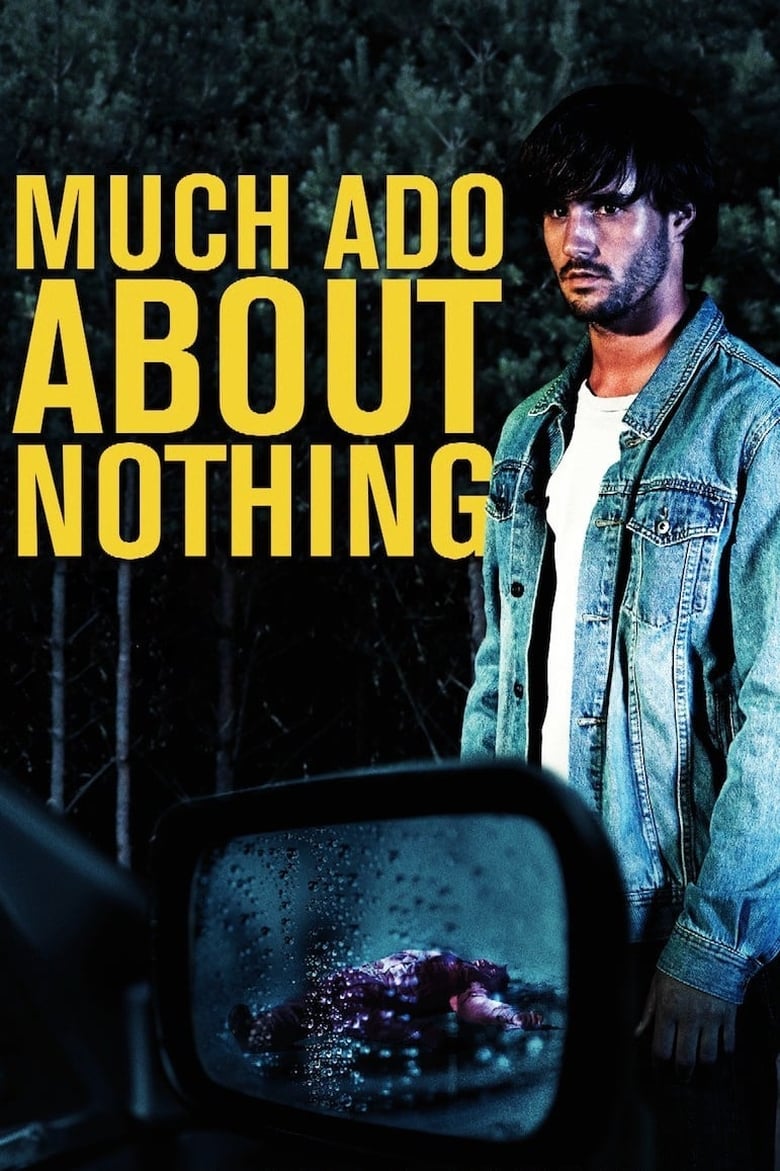
After a night of partying, Vicente is involved in a hit-and-run that kills a man. Vicente claims his innocence, but he was drunk and high. A tangled web of lies buries the truth, making a social scandal disappear — exonerating the real culprit, the son of a powerful politician.
Overall Score
Fair
Category Breakdown
LGBTQ+ Representation
The film lacks any evidence of LGBTQ+ characters or non-cisnormative identities. The narrative focus remains strictly on socioeconomic and political dynamics.
Gender Representation
The story centers on a male-dominated conflict involving political lineage and social scandal. This suggests a traditional patriarchal structure of power without clear subversion of gender hierarchies.
Racial & Ethnic Diversity
As a Chilean production, the film explores systemic inequality through class and political status. However, specific metrics regarding racial or ethnic intersectionality are not explicitly detailed.
Religious & Cultural Diversity
The film offers a strong critique of institutional integrity and Western social orders. It portrays legal and political systems as tools used by the elite to protect themselves.
Disability Representation
There is no evidence of physical, sensory, or neurodivergent identities being depicted in the narrative.
Strengths
Areas for Improvement
AI Analysis
Alejandro Fernández Almendras delivers a gritty social drama that prioritizes systemic critique over individual character studies. The film's strength lies in its refusal to offer a moralistic resolution, instead exposing how institutional power can manipulate the truth to protect the elite. While the narrative excels at deconstructing political and legal corruption, it lacks breadth in personal identity representation. The focus on class struggle and political lineage leaves little room for diverse explorations of gender, sexuality, or disability. Ultimately, the film functions as a cynical look at the status quo. It trades traditional restorative justice for a realistic, albeit bleak, portrayal of how social hierarchies maintain their grip through obfuscation and lies.
2011

2009

2016

1988

2021
2013

2012
1995

2017
2002

2016

2018
No reviews yet. Be the first to share your thoughts on this movie!
Use the rating form above to leave a star rating and optional review.