
Time Traveller: The Girl Who Leapt Through Time
2010
No user ratings available yet
Representation score: 5.4 out of 10
Representation Score
Excellent
1999
NRDirector
Lynn Hershman-Leeson
Runtime
85 minutes
Average Rating
No ratings yetNew Showbiz Analysis
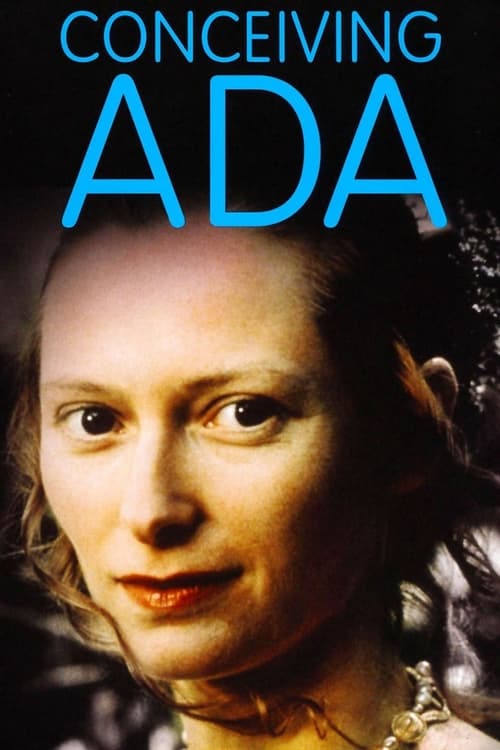
Conceiving Ada is a sophisticated science fiction drama that uses a hybrid format to challenge historical erasures. Its primary strength lies in its radical focus on female genius, specifically through the lens of Ada Lovelace and Emmy Coer. By connecting these two women across time, the film critiques the systemic suppression of women in STEM. The film excels at dismantling patriarchal narratives, replacing them with a study of intellectual ability to act and technological progress. It moves beyond simple biography to explore how identity and science intersect within fragmented historical spaces. However, the film's narrow historical and geographic focus limits its racial and ethnic breadth. While the lack of diversity feels period-appropriate rather than exclusionary, it remains a significant area for broader representation.
Category Breakdown
The film explores the isolation of non-conforming minds within a 19th-century society that assumes everyone is straight or cisgender. Though it doesn't show explicit same-sex intimacy, it uses a modern perspective to examine social 'otherness.'
This work challenges traditional gender roles by focusing on the intellectual independence of women. It highlights how patriarchal systems historically stifled women's contributions to science.
The narrative centers on a specific European historical figure and contemporary scientific settings. The lack of diverse casting reflects the period-specific focus on the 19th-century British aristocracy.
The film questions Western institutions by emphasizing mathematical inquiry over religious doctrine. It deconstructs the 'great man' theory of history through a complex, systemic lens.
While physical disabilities are not shown, the film comments on neurodivergence. The intense, obsessive intellectualism of the protagonists suggests an atypical cognitive experience.
Present on Screen
Limited or Absent
Official Synopsis
Emmy Coer, a computer genius, devises a method of communicating with the past by tapping into undying information waves. She manages to reach the world of Ada Lovelace, founder of the idea of a computer language and proponent of the possibilities of the "difference engine." Ada's ideas were stifled and unfulfilled because of the reality of life as a woman in the nineteenth century. Emmy has a plan to defeat death and the past using her own DNA as a communicative agent to the past, bringing Ada to the present. But what are the possible ramifications?
2010

2017

2002

2018
2015

2013
1998
2002
No reviews yet. Be the first to share your thoughts on this movie!
Use the rating form above to leave a star rating and optional review.