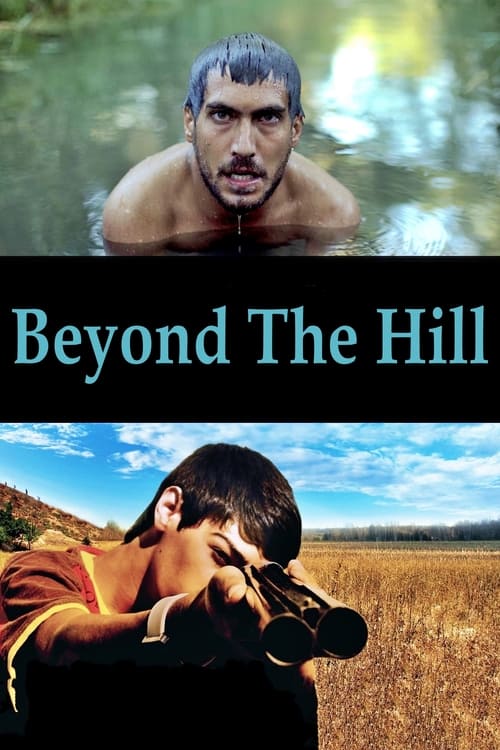
Beyond the Hill
2012
No user ratings available yet
Representation score: 5.0 out of 10

Representation Score
Fair
2013
Not RatedDirector
Avi Nesher
Runtime
112 minutes
Average Rating
No ratings yetNew Showbiz Analysis
The Wonders is a character-driven mystery that emphasizes individual perspective over traditional heroism. Its strength lies in its setting and thematic exploration, using the tension between street art and prophecy to challenge institutional authority. However, the film is heavily male-centric, focusing on the interactions between two men. This narrow focus limits the scope of gender and LGBTQ+ representation within the narrative. While the Jerusalem setting provides a rich backdrop for ethnic and cultural diversity, the film lacks the overt, actively leading casting necessary to achieve a higher diversity score.
Category Breakdown
The film does not include any explicitly LGBTQ+ characters or relationships that clearly indicate non-straight identities. The central relationship remains ambiguous and does not provide clear queer representation.
The story centers around a male graffiti artist and a male prophet. It lacks female characters who play significant roles or challenge traditional gender power dynamics.
Set in Jerusalem, the film benefits from a naturally multi-ethnic environment. However, there is no specific data available to confirm the ethnic diversity of the characters on screen.
The film contrasts a street artist with a prophet, suggesting a critique of organized religious authority. This framework explores moral relativism and unconventional spirituality.
There is no information about the portrayal of physical or neurodivergent disabilities in this work.
Present on Screen
Limited or Absent
Official Synopsis
Avi Nesher's new film tracks the complex relationship between a Jerusalem Graffiti artist and a mysterious modern day prophet who is imprisoned in an abandoned apartment across the Artist's window.
2012
2002

2016
2019

2019
2008

2018
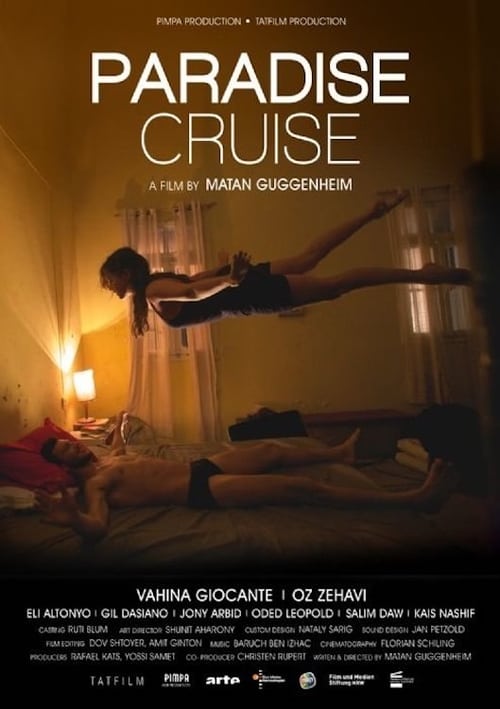
2013
No reviews yet. Be the first to share your thoughts on this movie!
Use the rating form above to leave a star rating and optional review.