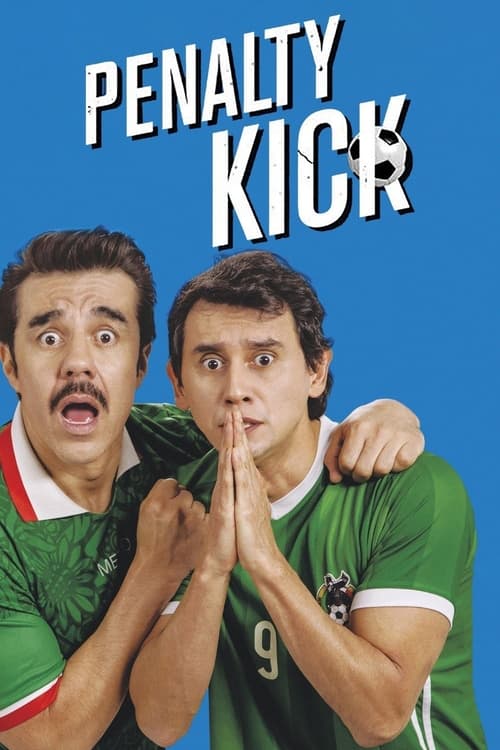
Penalty Kick
2018
No user ratings available yet
Representation score: 4.3 out of 10

Representation Score
Limited
2005
Not RatedDirector
Roberto Santiago
Runtime
100 minutes
Average Rating
No ratings yetNew Showbiz Analysis
The film operates as a conventional comedy built on established clichés of the underdog and local community dynamics. It prioritizes a linear, traditional progression of events over the deconstruction of systemic power structures. While the story captures the idiosyncrasies of an 'everyman,' it lacks the intentionality required to implement multi-layered approaches. The narrative structure remains rooted in standard social depictions and localized settings.
Category Breakdown
There are no LGBTQ+ characters or critiques of heteronormativity in the film. It focuses on a traditional sports underdog story.
The story centers around a masculine sports narrative where the protagonist follows a common comedic archetype of the unambitious man without challenging traditional gender roles.
As a regional Spanish production, the film appears localized and conventional. There is no indication of deliberate racial blending or diverse casting within the setting.
The plot utilizes a Western sporting framework centered on local pride. It relies on established social norms rather than challenging religious or institutional structures.
A physical injury serves as a plot catalyst for the goalkeeper. However, this functions as a narrative device rather than an exploration of disability or personal empowerment.
Present on Screen
Limited or Absent
Official Synopsis
Fernando (Fernando Tejero) is a loser. A gray type, without ambition, that works like bookcases distributor in a supermarket of the quarter. In his free short whiles, he is a substitute keeper of a football team, a third regional one. In all the season he has not played a single minute. But the last Sunday of the league the referee indicates penalty and the regular keeper injures itself. Fernando must occupy the goal for the first time. If penalty scores, the team of the district will proclaim champion. If no, all the effort of a year will not have been worth for anything. When the penalty is just about to be kicked, a group of indignant fans with the referee invades the field and prevents the kick. The competition committee decides that the penalty must play the following Sunday, in the same goal, with same players and the field closed to the public. El Penalti más largo del mundo, (The Longest Penalty Shot in the World) is exactly the history of that week of delay.
2018
1984
1996
2023
1970

2023

2001
1999
No reviews yet. Be the first to share your thoughts on this movie!
Use the rating form above to leave a star rating and optional review.