The American Letters
2015
No user ratings available yet
Representation score: 2.5 out of 10
Representation Score
Fair
2006
Director
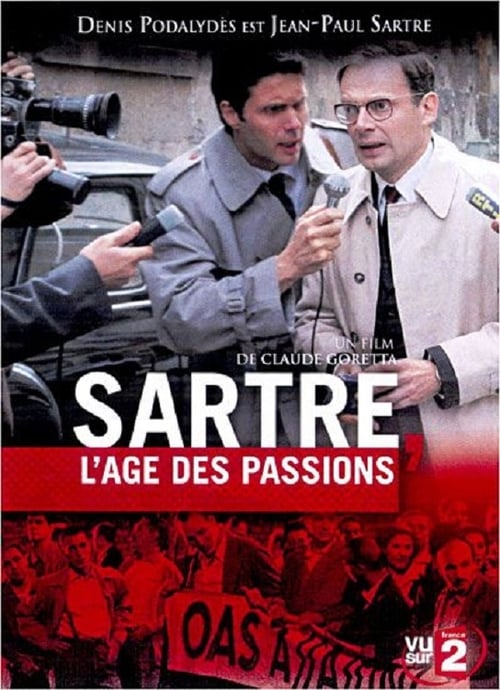
Claude Goretta
Runtime
165 minutes
Average Rating
No ratings yetNew Showbiz Analysis
Claude Goretta’s film is a sophisticated exploration of existentialism in interpersonal relationships. It focuses on the deconstruction of traditional domesticity and the pursuit of intellectual autonomy during the German occupation of France. The film excels in subverting gender hierarchies, presenting a partnership based on intellectual equality. However, it remains within a narrow racial and socioeconomic scope, focusing almost exclusively on the Eurocentric bourgeoisie. Ultimately, the film succeeds by framing unconventional lifestyles as a principled pursuit of freedom, even if it lacks demographic breadth.
Category Breakdown
The film examines unconventional relationship structures through the non-monogamous pact between Sartre and Beauvoir, challenging traditional marriage models. While it doesn't center on queer identities, it questions standard heterosexual relationships.
Simone de Beauvoir plays a significant role in driving the story, serving as an intellectual equal to Sartre rather than a passive companion. The narrative highlights female intellect as a key plot driver, disrupting traditional submissive femininity.
The cast is predominantly white, reflecting the socio-historical context of 1940s French intellectuals. This limits the film's diversity and maintains a traditional Eurocentric focus.
The film promotes subjective morality and existentialist thought, challenging traditional Western structures like the nuclear family and conventional marriage.
There is no discernible evidence regarding the portrayal of physical or neurodivergent disabilities within the biographical context provided.
Present on Screen
Limited or Absent
Official Synopsis
Biographical film about French writer Jean-Paul Sartre, concentrating on his passionate affairs with women.
2015
1996
1999
1988
2010
1937
2020

2009
No reviews yet. Be the first to share your thoughts on this movie!
Use the rating form above to leave a star rating and optional review.