The 3 Penny Opera
1931
No user ratings available yet
Representation score: 6.2 out of 10

Representation Score
Fair
1931
Director
G.W. Pabst
Runtime
104 minutes
Average Rating
No ratings yetNew Showbiz Analysis
G.W. Pabst’s adaptation is a sophisticated critique of social hierarchies. While it lacks modern demographic breadth in terms of race and LGBTQ+ identity, it excels in challenging traditional authority and capitalism. However, the production is limited by the era's social constraints, resulting in a homogeneous cast and a lack of queer representation. The narrative prioritizes class struggle and institutional corruption over demographic variety. Ultimately, the film's progressive architecture provides strong social commentary that challenges traditional Western frameworks, even if its visual representation remains narrow.
Category Breakdown
The film does not include explicit representations of LGBTQ+ identities or same-sex relationships. It focuses on the criminal underworld and its transactional and romantic dynamics.
Female characters such as Polly Peachum and Jenny play significant roles in the story. They navigate a dangerous criminal world, making influential decisions that drive the plot forward.
The cast is primarily white and uniform, reflecting the film's 1931 European production context. The focus is on class distinctions rather than diverse ethnic backgrounds.
The film critically examines Western institutions, depicting legal and religious structures as hypocritical. It uses the character Peachum to challenge capitalist ideals.
The film does not feature any characters with visible or invisible disabilities that serve as central plot devices.
Present on Screen
Limited or Absent
Official Synopsis
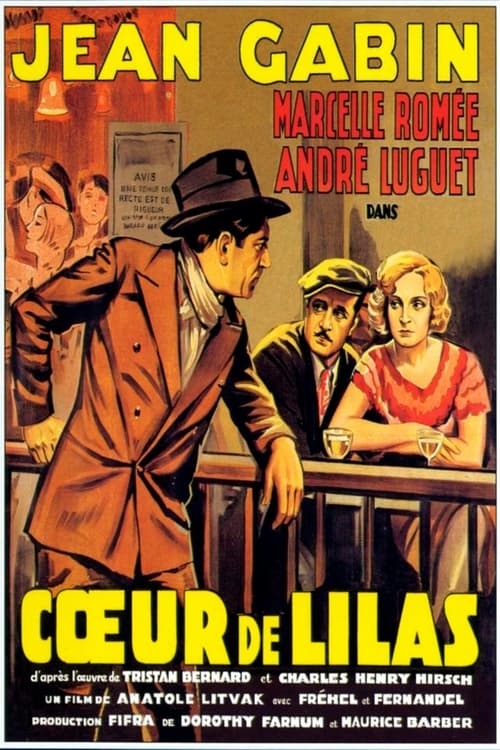
The French-language version of the The Threepenny Opera with a different cast from the German version.
No reviews yet. Be the first to share your thoughts on this movie!
Use the rating form above to leave a star rating and optional review.