
Coach
2010
No user ratings available yet
Representation score: 2.6 out of 10
Representation Score
Limited
2012
PG-13Director
Gabriele Muccino
Runtime
106 minutes
Average Rating
No ratings yetNew Showbiz Analysis
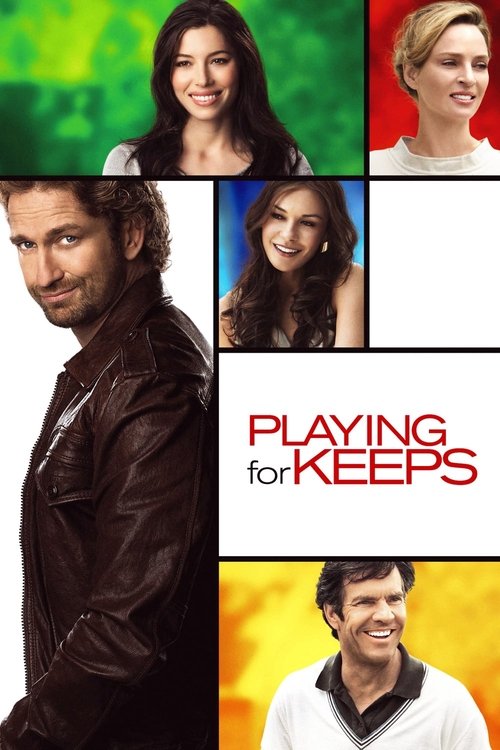
Playing for Keeps is a conventional domestic comedy-drama that prioritizes traditional social structures. While it offers a nuanced look at the decline of masculine ego and mid-life transitions, it lacks the intentionality to disrupt established cultural hierarchies. The film's architecture is built upon repairing standard social units, specifically the heterosexual marriage and the nuclear family. It operates within a traditionalist framework, focusing on individual growth within existing norms rather than challenging them. Ultimately, the work lacks meaningful representation for underrepresented identities, reinforcing conventional romantic and social structures.
Category Breakdown
The film focuses almost exclusively on heterosexual relationships and domestic life. There is a notable absence of LGBTQ+ perspectives or non-binary gender identities within the narrative.
The story explores the instability of traditional masculine roles and the struggle for status. Female characters play a significant role in driving the story in the domestic sphere but are often tied to the central male storyline.
The setting presents a relatively homogeneous middle-class New York environment. Casting does not challenge Anglo-centric norms, leaning instead into a traditional portrayal of suburban life.
The narrative adheres to traditional Western values regarding the nuclear family. It focuses on individual redemption and interpersonal responsibility rather than systemic social critique.
There is no significant presence of characters navigating physical, neurodivergent, or mental health disabilities. The film remains focused on able-bodied character arcs.
Present on Screen
Limited or Absent
Official Synopsis
A former sports star who's fallen on hard times starts coaching his son's soccer team in an attempt to get his life together.
2010
2009
1997
2009
2011

2022

2004

2005
No reviews yet. Be the first to share your thoughts on this movie!
Use the rating form above to leave a star rating and optional review.