
Toothless
1997
No user ratings available yet
Representation score: 3.1 out of 10
Representation Score
Limited
2005
PGDirector
Shelley Jensen
Runtime
98 minutes
Average Rating
No ratings yetNew Showbiz Analysis
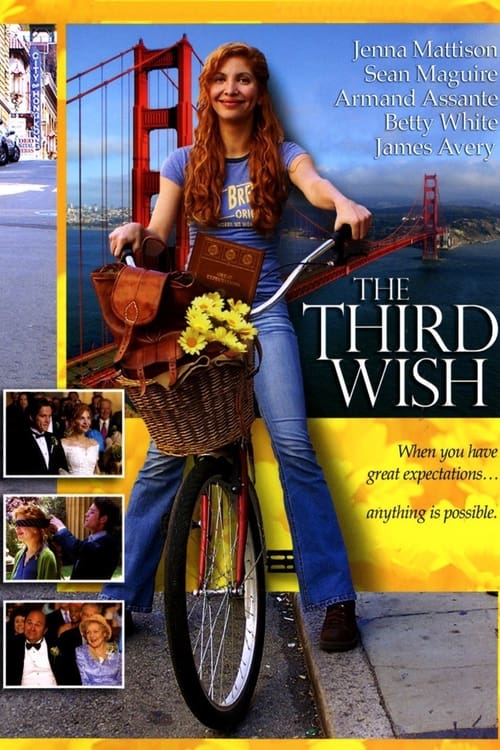
The Third Wish functions as a traditional fantasy romance that prioritizes genre expectations over social subversion. While it centers on a female lead, the narrative structure remains within the bounds of standard romantic storytelling without dismantling established hierarchies. The film lacks multi-layered complexity, offering a homogeneous social environment that reflects mid-2000s mainstream production standards. There is no evidence of racial diversity or LGBTQ+ representation beyond conventional romantic clichés. Ultimately, the film focuses on personal fulfillment and magical whimsy rather than challenging systemic power or cultural norms.
Category Breakdown
The film follows typical romantic clichés from mid-2000s mainstream cinema. There is no representation of LGBTQ+ identities or narratives that question the assumption that everyone is straight or cisgender.
Maggie Malone serves as a female protagonist, providing a baseline for women's ability to drive the story. However, the story lacks challenges to traditional gender hierarchies or patriarchal structures.
The narrative appears to center on a homogeneous social environment. There is no indication of a diverse cast or the use of non-human species as ethnic metaphors.
The story focuses on individualistic desire and romantic whimsy within a literary context. It lacks critiques of systemic institutions or anti-Western perspectives.
The film provides no mention of characters with visible or invisible disabilities. No representation of neurodivergence or physical disability is present.
Present on Screen
Limited or Absent
Official Synopsis
Bookshop clerk Maggie Malone is granted three wishes after she finds a first-edition copy of Charles Dickens' Great Expectations.
1997

1958

1948

1973
1987
1942

2000

1967
No reviews yet. Be the first to share your thoughts on this movie!
Use the rating form above to leave a star rating and optional review.