
Kung Fu Executioner
1981
No user ratings available yet
Representation score: 1.9 out of 10
Representation Score
Limited
1992
TV-14Director
Jud Taylor
Runtime
60 minutes
Average Rating
No ratings yetNew Showbiz Analysis
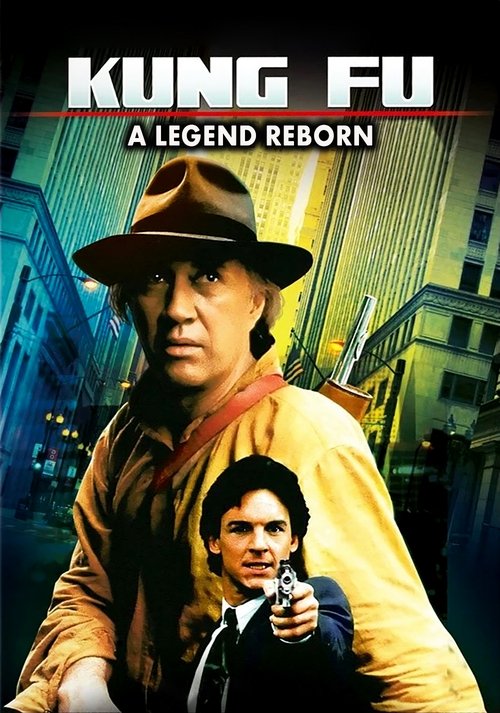
Kung Fu - A Legend Reborn functions as a typical 1990s action-drama. The narrative revolves around traditional masculine themes, focusing on the reunion of a father and son and their battle against a male antagonist. While the film incorporates East Asian aesthetics through its Chinatown setting and Shaolin themes, these elements primarily serve as genre backdrops rather than deep cultural explorations. The story emphasizes the central male-led conflict. Overall, the film prioritizes established martial arts archetypes over diverse representations. It lacks a critique of broader societal structures, favoring a standard hero’s journey centered on legacy and retribution.
Category Breakdown
The film does not include any LGBTQ+ characters or stories. It follows the assumption that everyone is straight or cisgender, which is typical of early 90s action media.
The story focuses on a patriarchal family and male characters. Female characters play minor roles and have limited influence in the main storyline.
Chinatown and Shaolin traditions provide cultural context. However, ethnic identity mainly serves as a genre element for the central characters.
The plot uses martial arts and revenge themes within a specific cultural setting. It follows a standard crime and justice storyline.
There are no characters with disabilities that serve as significant plot devices or central figures.
Present on Screen
Limited or Absent
Official Synopsis
Father and son are reunited after 15 years. A old rival from the Shaolin Temple has taken over Chinatown and intends to assassinate the mayor. Peter and Caine must work together to stop him.
1981
1982

1986

1993
1974
1980
1991

1991
No reviews yet. Be the first to share your thoughts on this movie!
Use the rating form above to leave a star rating and optional review.