The Last Days on Mars
2013
No user ratings available yet
Representation score: 4.1 out of 10
Representation Score
Limited
2011
PG-13Director
Gonzalo López-Gallego
Runtime
86 minutes
Average Rating
No ratings yetNew Showbiz Analysis
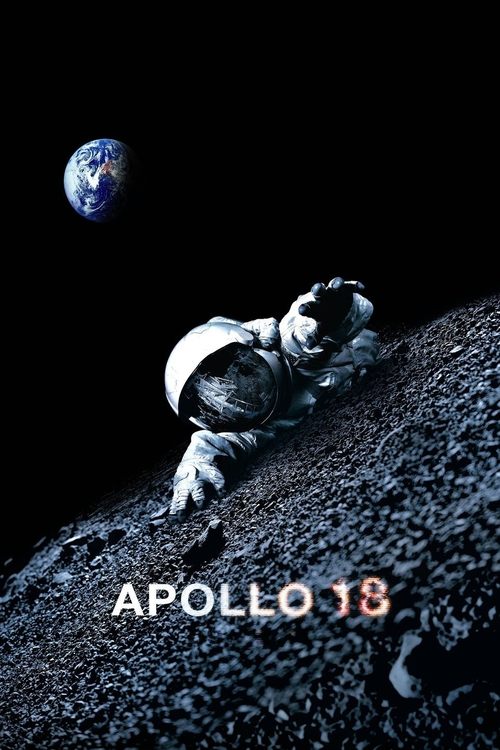
Apollo 18 functions as a period-specific horror thriller that prioritizes atmospheric tension and historical realism over social commentary. The film's structure is deeply traditional, mirroring the demographic homogeneity of the early 1970s space program. By adhering to the era's specific social landscape, the film avoids contemporary multi-layered inclusion. It relies on established genre clichés, such as isolation and psychological breakdown, which do not provide space for diverse character development. Ultimately, the film's lack of representation stems from its commitment to a conventional, male-dominated narrative. It reflects the patriarchal and homogeneous structures of its setting rather than attempting to challenge them.
Category Breakdown
The film focuses on a small group of male astronauts in an isolated lunar setting. There are no depictions of LGBTQ identities or same-sex relationships.
The cast is predominantly male, emphasizing traditional masculine leadership roles. The narrative lacks strong female characters or presence to challenge established gender hierarchies.
The cast is largely homogeneous, reflecting the historical demographics of 1970s NASA missions. It does not use diverse casts to disrupt the period setting.
The story centers on state authority and institutional secrecy during a Department of Defense mission. It uses found footage to explore tension between government narratives and reality.
Characters lack visible or invisible disabilities portrayed with real impact. Psychological distress is used as a horror device rather than nuanced representation of mental health issues.
Present on Screen
Limited or Absent
Official Synopsis
Officially, Apollo 17 was the last manned mission to the moon. But a year later in 1973, three American astronauts were sent on a secret mission to the moon funded by the US Department of Defense. What you are about to see is the actual footage which the astronauts captured on that mission. While NASA denies its authenticity, others say it's the real reason we've never gone back to the moon.
2013
1977
2013

1985

2013

2013

2012
1993
No reviews yet. Be the first to share your thoughts on this movie!
Use the rating form above to leave a star rating and optional review.