Creating Carrie
2014
No user ratings available yet
Representation score: 3.2 out of 10
Representation Score
Limited
2007
Not RatedDirector
Michael Felsher
Runtime
92 minutes
Average Rating
No ratings yetNew Showbiz Analysis
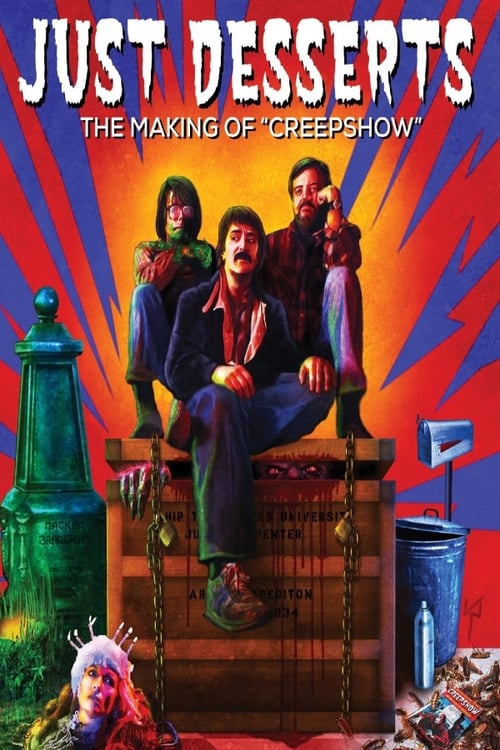
This documentary serves as a historical and technical record of the making of 'Creepshow.' Its primary aim is to preserve the legacy of a specific era of horror filmmaking rather than engaging with current social issues. The film's structure reflects the industry standards of the early 1980s, emphasizing the male-dominated creative leadership of the time. It prioritizes the technical achievements of genre icons over diverse representation. Ultimately, the work is a celebration of cinematic history, lacking the intention to challenge social hierarchies or provide meaningful representation for underrepresented groups.
Category Breakdown
The documentary does not explore LGBTQ+ narratives or non-binary gender identities. Instead, it focuses on the technical aspects of a 1982 horror anthology.
The film highlights male creators such as Stephen King and George A. Romero. It adheres to the traditional filmmaking hierarchy of the 1980s, where men hold key positions.
The documentary focuses on prominent figures from the early 1980s film industry. It does not emphasize racial or cultural diversity as a main theme.
This documentary celebrates the history of American horror cinema. It highlights the craftsmanship of Western filmmakers without challenging Western cultural norms.
There is no specific mention of neurodivergence or physical disabilities in the documentary's interviews or footage.
Present on Screen
Limited or Absent
Official Synopsis
Details the making of Stephen King & George A. Romero's 1982 horror anthology classic, from conception through to completion.
2014
2019

1984
2010

2011
2008
2018

2014
No reviews yet. Be the first to share your thoughts on this movie!
Use the rating form above to leave a star rating and optional review.