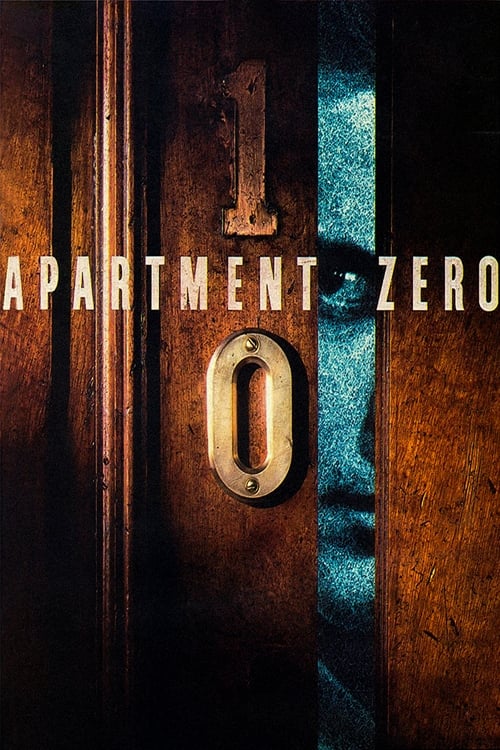
Apartment Zero
1989
No user ratings available yet
Diversity score: 6.0 out of 10

2002
Director
Dalibor Matanić
Runtime
77 minutes
Average Rating
No ratings yetSynopsis
Iva and Marija, a young lesbian couple, rent an apartment in Zagreb, in a building that seems to provide a quiet and safe environment for their love, but over time the atmosphere in the building becomes more and more threatening. The elder landlady Olga dominates the building. Other tenants include her calm husband, her grown-up son Daniel who has a crush on Iva, the prostitute Lidija, an abused housewife, a widower keeping the corpse of his newly deceased wife, a gynecologist performing abortions in one flat of the house, and an ex-soldier who regularly plays martial music at night. After Olga finds out that Iva and Marija are lesbians, the situation escalates .
Overall Score
Good
Category Breakdown
LGBTQ+ Representation
The film centers on a lesbian relationship between Iva and Marija. Their intimacy serves as the primary catalyst for the plot's central conflict and social tension.
Gender Representation
The narrative prioritizes female vulnerability and agency, focusing on a shared psychological landscape among women. However, male characters often function as traditional sources of threat.
Racial & Ethnic Diversity
The cast reflects the homogeneous demographic of its Zagreb setting. The story focuses on class and orientation rather than racial blending or diverse ethnic representation.
Religious & Cultural Diversity
The film critiques traditional social institutions and authority. It portrays the domestic sphere as a site of surveillance and systemic oppression rather than a sanctuary.
Disability Representation
Psychological instability and trauma are present, but they primarily serve to heighten the thriller's atmosphere. These elements lack nuanced, agentic portrayals of neurodivergence.
Strengths
Areas for Improvement
AI Analysis
Fine Dead Girls is a sophisticated exploration of identity and social friction. By placing a queer relationship at the heart of the narrative, the film elevates LGBTQ+ experiences from the periphery to a central driver of tension. It effectively uses the setting to critique how traditionalist social hierarchies exert pressure on marginalized individuals. While the film excels in thematic depth regarding gender and sexual orientation, it remains limited by its specific geographic and temporal context. The demographic diversity is narrow, reflecting a localized study of post-war Croatian society rather than a broad intersectional cast. Ultimately, the work succeeds as a critique of social norms. It uses psychological dread and domestic tension to deconstruct the stability of traditional family and moral structures, making it a significant contribution to European identity politics.
1989
2019

2019

1975

2010
2011

1993
1994

2005
2002

2010
2011
No reviews yet. Be the first to share your thoughts on this movie!
Use the rating form above to leave a star rating and optional review.