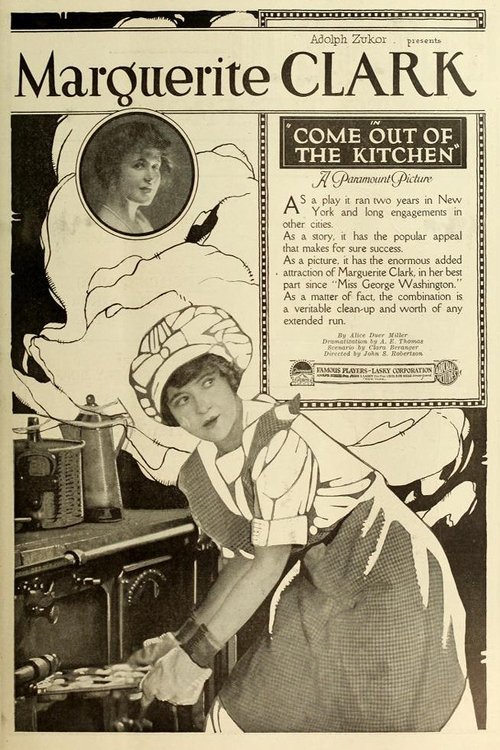
Come Out of the Kitchen
1919
No user ratings available yet
Representation score: 1.1 out of 10

Representation Score
Minimal
1935
NRDirector
William A. Seiter
Runtime
72 minutes
Average Rating
No ratings yetNew Showbiz Analysis
If You Could Only Cook is a traditional 1930s genre piece that upholds the social hierarchies of its time. The plot depends on class and gender roles to create comedic tension, offering little challenge to the status quo. The film operates as a standard studio-era comedy, focusing on romantic clichés and domestic humor without much progressive representation. It does not address multi-layered narratives or diverse casting. Ultimately, the work reflects early Hollywood’s focus on homogeneous and traditional storytelling.
Category Breakdown
The film does not include any LGBTQ+ characters or narratives that question traditional social norms.
Women play a role in the film, particularly in high-stakes deceptions, but their roles are still closely tied to romantic outcomes and domestic humor.
The film features a homogeneous cast typical of the 1930s. It focuses on class-based deception within a mobster’s mansion without addressing racial or ethnic diversity.
The story explores conflicts between legal and criminal elements using a traditional moral framework, emphasizing the restoration of social order.
There is no evidence of characters with visible or invisible disabilities in the film.
Present on Screen
Limited or Absent
Official Synopsis
An auto engineer and a professor's daughter pose as married servants in a mobster's mansion.
1919

1936
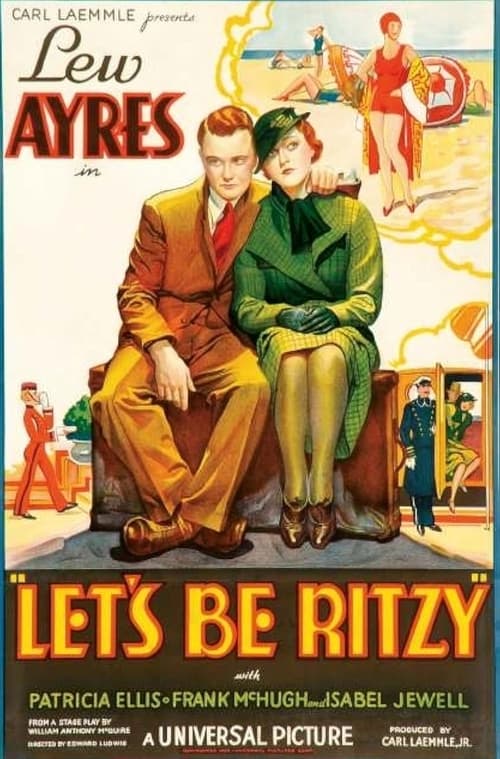
1934

1942
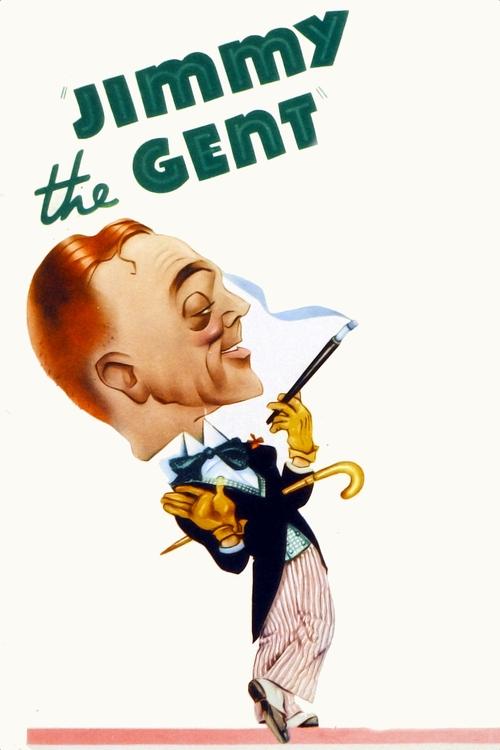
1934

1946
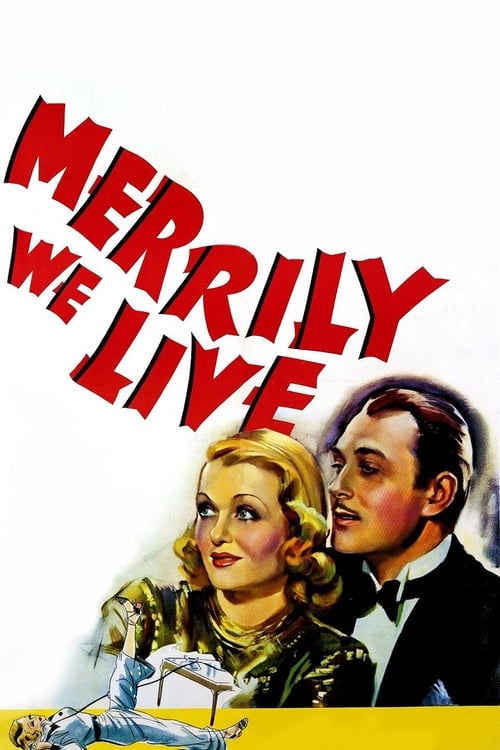
1938

1932
No reviews yet. Be the first to share your thoughts on this movie!
Use the rating form above to leave a star rating and optional review.