Who killed the Neanderthal?
2018
No user ratings available yet
Representation score: 3.2 out of 10
Representation Score
Fair
2013
TV-GDirector
Nick Clarke Powell
Runtime
54 minutes
Average Rating
No ratings yetNew Showbiz Analysis
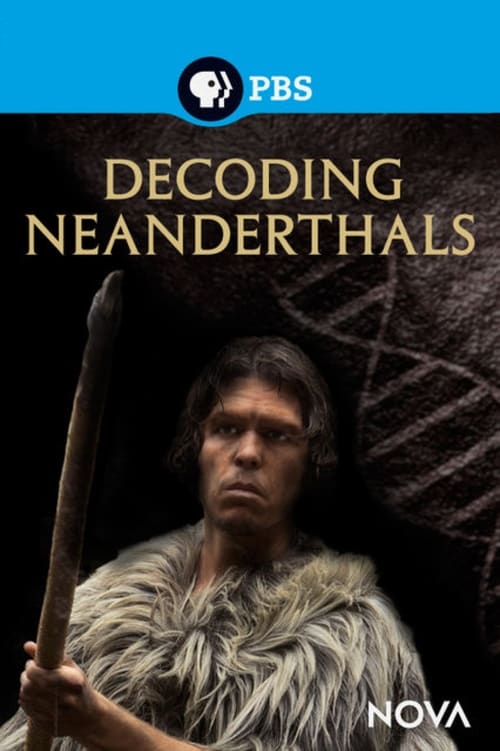
Decoding Neanderthals presents a balanced approach to historical diversity by focusing on the migration of humans from Africa. This perspective challenges Eurocentric narratives by emphasizing the movement of non-European populations into new territories. The film adopts a scientific, secular lens, prioritizing archaeological evidence over mythological explanations. While this approach offers a progressive interpretation of human origins, the documentary does not delve into contemporary social categories or specific identity politics. Ultimately, the film successfully subverts traditional evolutionary hierarchies through its anthropological focus, despite lacking specific representation of modern social categories.
Category Breakdown
The documentary does not explicitly depict LGBTQ+ identities or same-sex intimacy. The focus is on survival strategies rather than individual identity politics.
The film examines survival during the Ice Age without emphasizing traditional gender roles. It avoids reinforcing domestic hierarchies by highlighting functional roles necessary for survival.
The film highlights the migration of early humans from Africa to Europe, challenging Eurocentric views by emphasizing global movement and ancestral diversity.
The documentary uses a scientific and secular approach to explore human origins, prioritizing archaeological evidence over religious or mythological explanations.
There is no depiction of physical or neurodivergent traits in the film. Specific disability representation is not addressed within the context of prehistoric populations.
Present on Screen
Limited or Absent
Official Synopsis
Over 60,000 years ago, the first modern humans left their African homeland and entered Europe, then a bleak and inhospitable continent in the grip of the Ice Age. But when they arrived, they were not alone: the stocky, powerfully built Neanderthals had already been living there for hundreds of thousands of years. So what happened when the first modern humans encountered the Neanderthals? Did they make love or war?
2018
2005
2017
2016
2009
2003
2018
2007
No reviews yet. Be the first to share your thoughts on this movie!
Use the rating form above to leave a star rating and optional review.