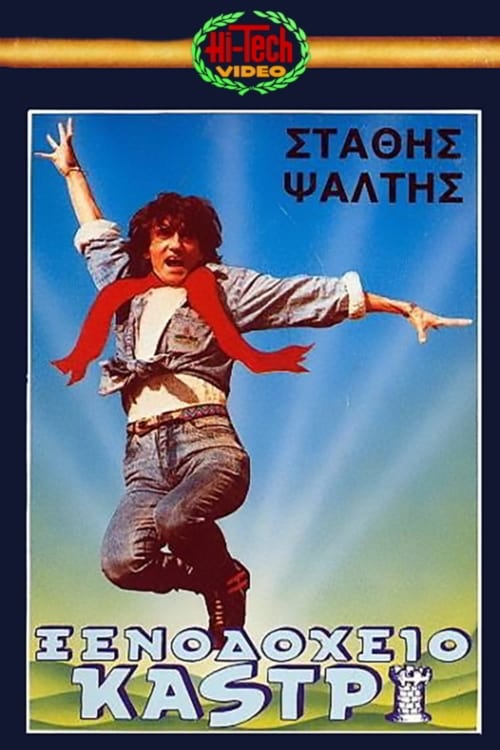
Kastri Hotel
1987
No user ratings available yet
Representation score: 2.5 out of 10
Representation Score
Fair
1984
Director
Yiannis Hartomatzidis
Runtime
137 minutes
Average Rating
No ratings yetNew Showbiz Analysis
This 1984 comedy follows a traditional narrative structure typical of its era and region. The story centers on a Greek protagonist navigating unemployment and romantic interests within a localized context. While the film addresses economic instability and individual eccentricity, it lacks multi-layered complexity. The portrayal of gender and neurodivergence serves the comedic plot rather than offering a nuanced or subversive exploration of these identities. Ultimately, the film adheres to conventional social structures, focusing on a singular cultural perspective without actively challenging demographic or institutional hierarchies.
Category Breakdown
The film does not include explicit LGBTQ+ characters or narratives. The main romantic storyline follows a traditional structure involving a male protagonist and a female co-owner.
The plot is driven by a male protagonist's actions. While Lola is a co-owner, her role seems focused on emotional connections rather than challenging traditional gender roles.
This Greek production centers around a Greek protagonist. The narrative depicts a homogeneous population consistent with Yöz cinema norms of the time.
The story critiques social issues such as unemployment and small-scale capitalism. It highlights individual eccentricity over rigid institutional conformity.
A psychological evaluation serves as a narrative catalyst. However, mental health is used primarily as a comedic device to advance the protagonist's employment situation.
Present on Screen
Limited or Absent
Official Synopsis
After numerous fruitless attempts to get a job, an outspoken unemployed Greek, Michalis Vidas, is eventually taken in for a psychological evaluation by an unlucky twist of fate. However, pretty soon, things will take an unexpected turn for the better, when a precious positive assessment of his mental state lands him a job at a pasta factory on the brink of bankruptcy, and a place in the heart of the charming co-owner, Lola. Now, who would have thought that adding just a dash of folly could open doors for the young man?
1987
1996
1972
1968
1984
1970
1967
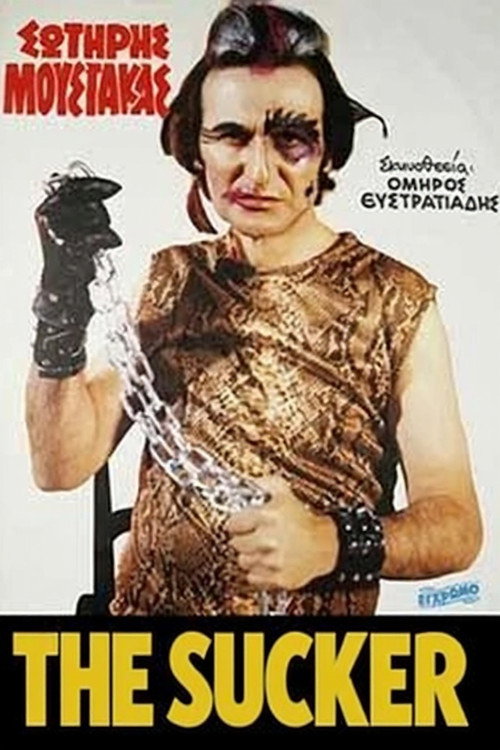
1983
No reviews yet. Be the first to share your thoughts on this movie!
Use the rating form above to leave a star rating and optional review.