
Sweet Dreams
1996
No user ratings available yet
Representation score: 5.1 out of 10
Representation Score
Fair
1999
Director
Graham Theakston
Runtime
148 minutes
Average Rating
No ratings yetNew Showbiz Analysis
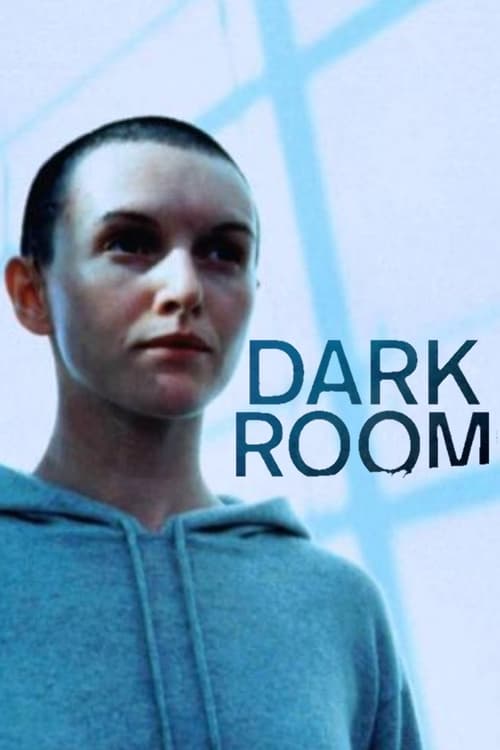
The Dark Room is a character-driven mystery that finds its strength in psychological depth rather than social breadth. It offers a nuanced look at women's ability to drive the story through Jinx Kingsley, moving beyond simple victimhood to place a woman at the center of a complex investigation. However, the film's scope is quite narrow. It adheres to conventional drama structures and lacks meaningful representation of racial, LGBTQ+, or systemic cultural diversity. The narrative feels localized within a homogeneous social framework. Ultimately, while the film succeeds in exploring the subjectivity of truth and memory, it fails to engage with a wider spectrum of human identity or overlapping aspects of diversity.
Category Breakdown
The story focuses on a heterosexual betrayal between a fiancé and a best friend, relying on traditional romantic clichés without exploring non-straight or non-cisgender identities.
Jinx Kingsley is a complex female protagonist who balances vulnerability with central involvement in the story. She avoids the passive victim cliché by driving the high-stakes murder investigation.
The narrative lacks any mention of a diverse cast or non-Anglo-Saxon characters. It appears to focus on a homogeneous social circle.
The film explores moral relativism and the instability of memory through trauma. It does not explicitly critique Western institutions or promote specific secularist ideologies.
The protagonist's coma and neurological investigation provide a lens into cognitive impairment. It remains unclear if this portrayal avoids using disability merely as a plot device.
Present on Screen
Limited or Absent
Official Synopsis
In hospital, photographer Jinx Kingsley wakes from a coma after a car crash - a failed suicide attempt, prompted by her fiance Leo jilting her to elope with Jinx's lifelong best friend, Meg. The discovery of Leo and Meg's bodies - brutally murdered in the same manner as Jinx's first husband - makes Jinx the prime suspect. Then, with the help of eminent neuroscientist Dr.Alan Protheroe, some memories begin to surface. Memories of desperation and paralysing terror.
1996
2015

2021

2006

2015

2005
2005
2004
No reviews yet. Be the first to share your thoughts on this movie!
Use the rating form above to leave a star rating and optional review.