Find another title
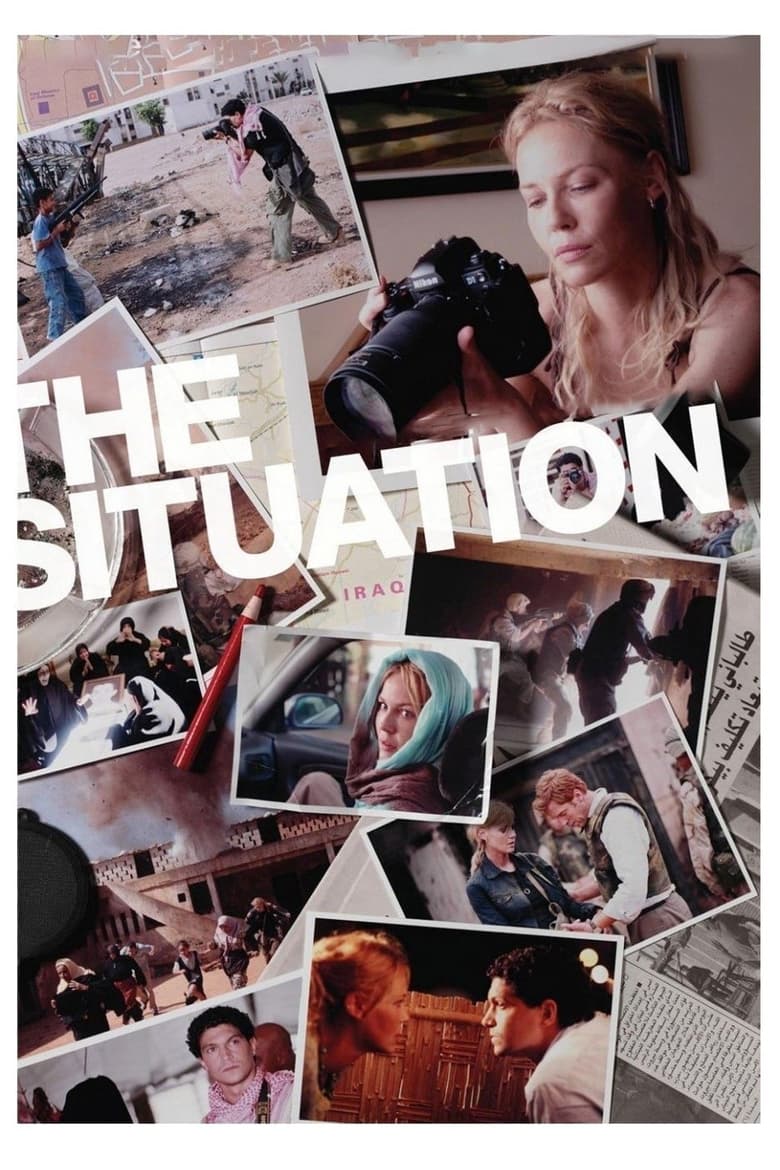
The Situation
2007
Director
Philip Haas
Runtime
111 minutes
Average Rating
No ratings yetSynopsis
The first U.S.-made film drama set during the Iraq war, THE SITUATION chronicles the tragic death of an Iraqi teenager at the hands of U.S. soldiers. The incident sets off an "investigation," a cover-up, and complications involving Iraqi mayor Sheikh Tahsin (Saïd Amadis), who has a complex relationship with the Americans.
Where to Watch
Diversity & Representation
Overall Score
Good
Category Breakdown
LGBTQ+ Representation
The film lacks explicit evidence of LGBTQ+ characters or non-heteronormative narratives. The focus remains on geopolitical tensions between U.S. military personnel and Iraqi civilians.
Gender Representation
The narrative centers on the relationship between a local leader and U.S. forces. There is little evidence of women driving the plot or subverting gender hierarchies.
Racial & Ethnic Diversity
The film shows high intentionality by centering an Iraqi teenager and a local mayor. This shifts the perspective away from a Western-centric viewpoint.
Religious & Cultural Diversity
The story critiques Western military hegemony and institutional transparency. The portrayal of the Sheikh suggests a nuanced approach to morality within systemic circumstances.
Disability Representation
There is no mention of characters navigating physical or neurodivergent disabilities within the narrative.
Strengths
- Centers the Iraqi experience rather than a Western-centric viewpoint.
- Provides a nuanced critique of military hegemony and institutional transparency.
- Prioritizes the agency and tragic experiences of non-Western subjects.
Areas for Improvement
- Lacks visible representation of LGBTQ+ identities or narratives.
- Shows a potentially male-centric focus on geopolitical power dynamics.
- Provides no evidence of characters navigating physical or neurodivergent disabilities.
AI Analysis
The Situation distinguishes itself from standard war cinema by prioritizing the Iraqi perspective. By centering the tragic death of a local teenager and the complexities of a local mayor, the film disrupts Western-centric tropes and explores the human cost of intervention. While the film excels in ethnic and cultural representation, it remains limited in other areas. The narrative architecture appears heavily focused on male-dominated political and military power dynamics, leaving little room for visible gender or queer identity. Ultimately, the film serves as a critique of systemic failures and institutional cover-ups. It succeeds in providing a non-Western lens on conflict, even if it lacks breadth in social identity representation.
Rate this Movie
Reviews
No reviews yet. Be the first to share your thoughts on this movie!
Use the rating form above to leave a star rating and optional review.