Alice in Wonderland: Finding Alice
2010
No user ratings available yet
Representation score: 1.7 out of 10
No Poster Available
Representation Score
Good
2010
Runtime
6 minutes
Average Rating
No ratings yetNew Showbiz Analysis
This character study succeeds by leaning into the 'outsider' narrative, using surrealism to challenge social stability. It effectively subverts traditional gender roles and embraces neurodivergent-coded ability to act, providing a refreshing departure from standard archetypes. However, the work is limited by its Eurocentric focus and a lack of racial the way different parts of someone's identity overlap. The absence of explicit queer identity markers also prevents a higher score in LGBTQ+ representation. Ultimately, the production finds its strength in deconstructing social norms and masculine authority, even if it remains narrow in its demographic scope.
Category Breakdown
The Mad Hatter exhibits a high degree of gender-nonconforming expression through eccentric, gender-fluid clothing choices. Although his style challenges assumptions that everyone is straight or cisgender, there is no explicit confirmation of a specific queer romantic orientation.
This character study disrupts traditional masculine hierarchies by rejecting the stoic, competent patriarch stereotype. Instead, masculinity is explored through vulnerability, social dysfunction, and eccentricity, deconstructing conventional expectations of male authority.
The focus remains on a singular, highly stylized figure within a predominantly Eurocentric fantasy setting. There is a notable lack of significant racial blending or diverse casting in this specific context.
The narrative critiques the rigidity of institutional logic and social decorum. By framing social non-conformity as a form of liberation, the work embraces themes of moral relativism and the rejection of traditional structures.
The portrayal centers on neurodivergence and psychological instability, making cognitive processes a core part of the character's identity. Despite his surrealist, unstable presentation, the Mad Hatter maintains high ability to act and control over his actions.
Present on Screen
Limited or Absent
Official Synopsis
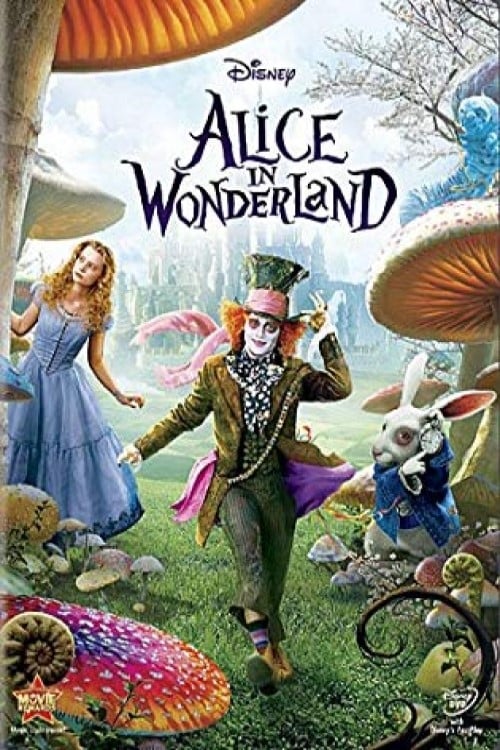
A look at The Mad Hatter from Alice in Wonderland (2010)
2010
2010
2001
2005
2023

1996
No reviews yet. Be the first to share your thoughts on this movie!
Use the rating form above to leave a star rating and optional review.