
8 Days: To the Moon and Back
2019
No user ratings available yet
Representation score: 1.0 out of 10
Representation Score
Minimal
2009
TV-PGDirector
Richard Dale
Runtime
90 minutes
Average Rating
No ratings yetNew Showbiz Analysis
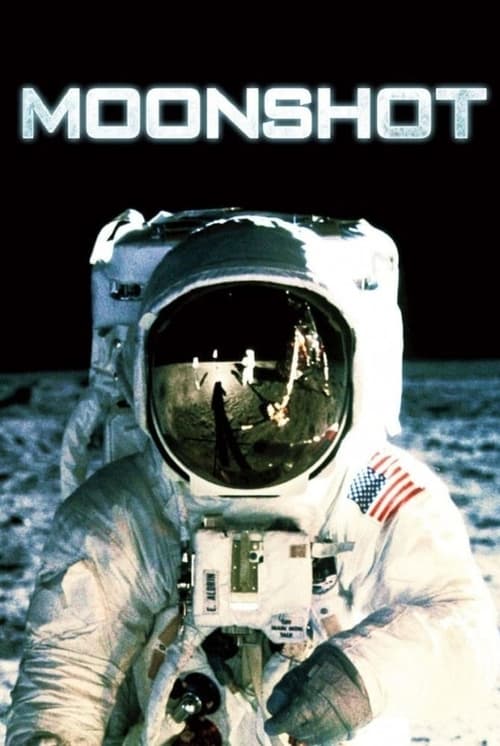
Moonshot serves as a historical drama that preserves established national narratives. By focusing solely on the Apollo 11 mission, the film reflects the social and institutional hierarchies of the late 1960s. The production adheres to the historical reality of the era, which lacked diversity in the aerospace sector. The narrative structure centers on Western scientific achievement and patriarchal leadership. Ultimately, the film upholds the traditional view of mid-century government agencies without challenging conventional social expectations.
Category Breakdown
The film focuses on the 1969 moon landing and does not include any representation of non-straight or non-cisgender identities. It also does not challenge the assumption that everyone is straight or cisgender.
The main roles are played by male astronauts, reflecting the historical constraints of the aerospace industry. The narrative follows the mid-20th century scientific hierarchy, where men typically held positions of power.
The story centers around a predominantly white, Anglo-Saxon effort. The main characters represent the demographic norm of the time without disrupting traditional racial hierarchies.
The film highlights Western technological achievements and patriotism. It emphasizes the success of NASA and traditional institutions without offering cultural critiques.
There are no characters with visible or invisible disabilities mentioned in the film. Therefore, there is no representation of this category in the narrative.
Present on Screen
Limited or Absent
Official Synopsis
Man's landing on the moon was our greatest technological achievement. The Apollo 11 mission was truly the stuff of dreams. For the first time, our species walked on another celestial body. Even more remarkable was their ability to make it back. This is the story of the July 20, 1969, Apollo 11 moon landing. Drama with digitally remastered original footage.
2019

1989
2014

2007

2019

2013
2019

2022
No reviews yet. Be the first to share your thoughts on this movie!
Use the rating form above to leave a star rating and optional review.